
Story
Colombia Coffee Production Drops 12% in August on Weather Delays
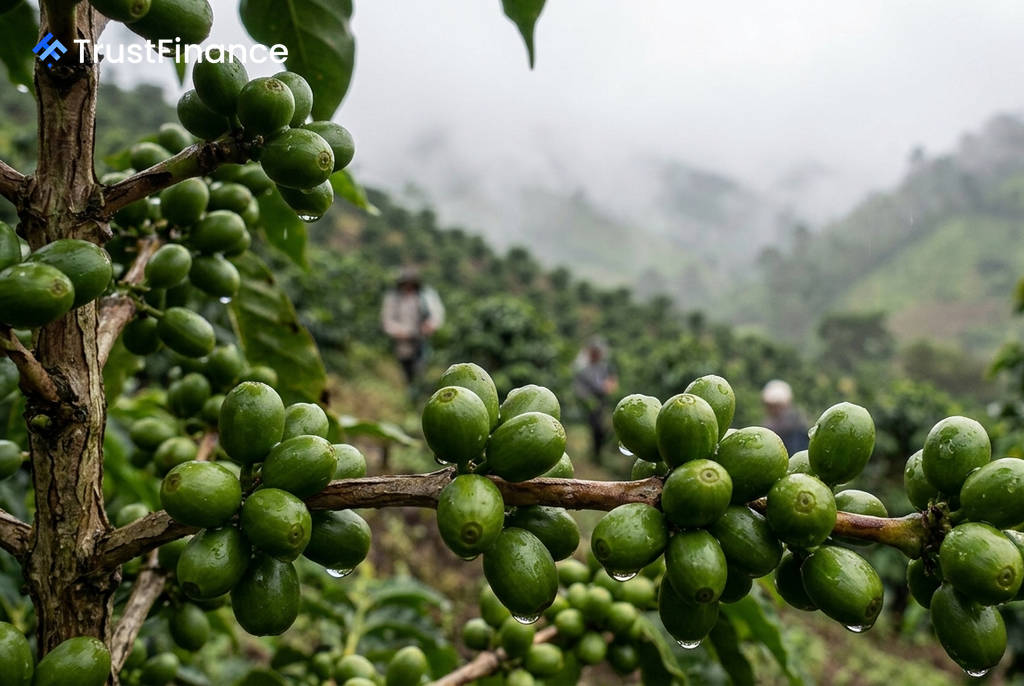
Colombian coffee production fell for a second straight month in August, dropping 12% from the previous year as adverse weather conditions delayed harvests. The country's exports also declined, signaling potential supply constraints for the global arabica market.
August Figures Show Continued Decline
Colombia produced 1.09 million 60-kilogram bags of coffee in August, a significant decrease from the same month last year, the National Coffee Federation reported on Friday. Coffee exports saw a similar downturn, falling 10% year-over-year to 1.05 million bags.
German Bahamon, head of the federation, attributed the decline to persistent "climate variability" that has impacted the crop throughout the year. The August production figure was a slight increase from the 1.06 million bags produced in July.
Broader Trends and Full-Year Outlook
The August data extends a broader trend of lower output for the world's top producer of washed arabica coffee. The federation's report highlighted several key figures reflecting the cumulative impact of weather issues:
 Ad
- Year-to-date production (Jan-Aug): 7.73 million bags, down 12% from the prior year.
- 12-month production (ending Aug): 12.58 million bags, down 15%.
- 12-month exports (ending Aug): 11.69 million bags, down 12%.
Looking ahead, the federation's coffee research center forecasts a total 2026 harvest of 12.2 million bags. Bahamon previously told Reuters he anticipates a harvest of around 12.5 million bags, citing heavy rains and the emerging El Niño weather pattern as key factors.
Market Implications
A sustained production shortfall from a major supplier like Colombia can tighten global supplies of high-quality arabica beans, potentially impacting coffee futures prices. The ongoing harvest delays and lower year-to-date figures are closely watched by commodities traders.
Despite the production challenges, Colombia's domestic consumption remained stable at 2.32 million bags over the past 12 months. The country also imported 1.55 million bags during the same period to meet demand, according to the federation's report.
Read next
More on Commodities
U.S. Crude Inventories Post Surprise Draw While Gasoline Stocks Swell, EIA Reports
U.S. crude oil stockpiles fell unexpectedly last week, driven by a surge in exports, while gasoline inventories saw a significant build amid weakening demand, according to the latest EIA data.

UBS Raises Year-End Brent Forecast to $110 on Middle East Supply Risks
UBS has increased its year-end forecast for Brent crude to $110 per barrel, citing escalating supply risks in the Middle East, declining global inventories, and record-high freight costs.

Iran Dismisses Latest Qatari Peace Proposal as 'Unacceptable'
A senior Iranian official has rejected the latest Qatari-mediated draft deal to end the eight-month war, calling the ideas 'unacceptable' and signaling a continued diplomatic impasse. The news comes amid rising oil prices following attacks on Saudi energy infrastructure.

Argentina Poised to Gain EU Soymeal Market Share as Deforestation Rules Hit Brazil
Argentina's soybean industry is preparing to capture a larger share of the European Union's soymeal market as new EU anti-deforestation rules are expected to disrupt exports from rival Brazil.