
Story
China's Humanoid Robot Sector Faces Commercial Viability Test at Beijing Conference
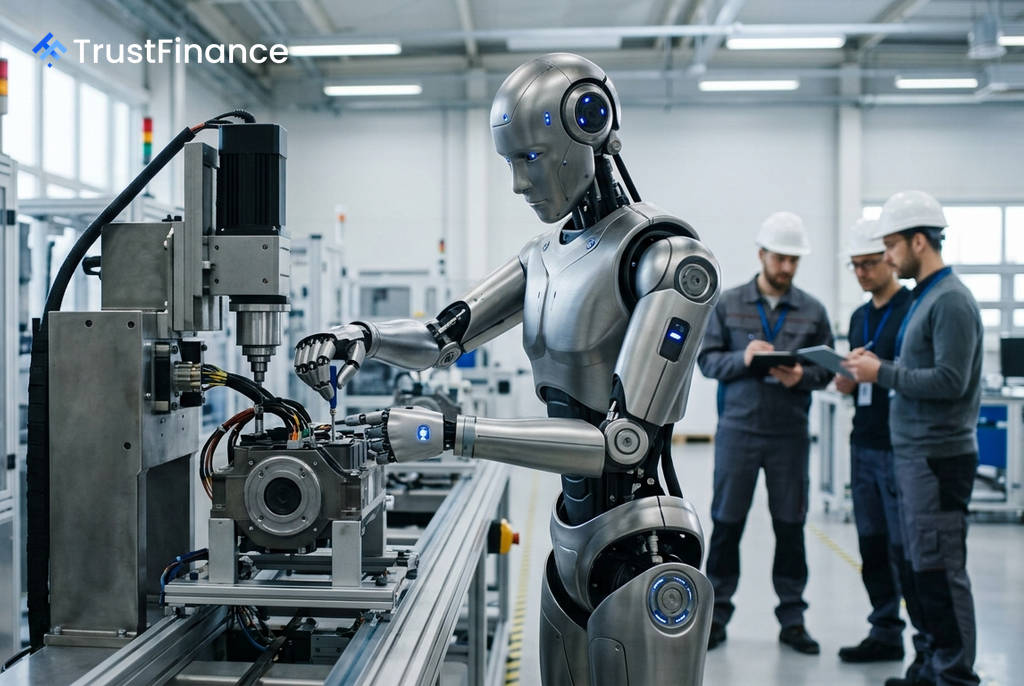
China's humanoid robot developers are facing a critical inflection point as the industry shifts its focus from impressive technical demonstrations to the urgent need for commercial viability. At the World Robot Conference in Beijing, the conversation is moving beyond viral videos of backflips and marathons to the more pressing question of whether these machines can generate real economic value for customers.
From Hype to Application
The event, which is expected to feature over 300 companies and 150 new products, comes amid peak investor enthusiasm, according to a Reuters report. This excitement was underscored by the recent Shanghai stock market debut of Unitree, a leading humanoid robot maker, whose initial public offering was more than 8,000 times oversubscribed by retail investors.
Despite the market's optimism, industry insiders are calling for a reality check. Investors and potential clients are now scrutinizing robots based on their productivity, reliability, and return on investment. Yu Chao, CEO of Mitsubishi Electric-backed Lumos Robotics, told Reuters that companies unable to prove their technology in real-world applications and create customer value "will be washed out."
The Economic Equation
The primary hurdle remains the high cost of deployment. Chinese brokerage Guotai Securities estimates an industrial humanoid robot would need a price point of approximately 160,000 yuan, including maintenance, to achieve a two-year payback period compared to a human worker earning 80,000 yuan annually. However, current models typically cost between 300,000 and 500,000 yuan, according to Berlin-based think tank MERICS.
 Ad
This cost-benefit gap explains why many robots are not yet in productive roles. Georg Stieler, a robotics analyst, estimates that 50% to 70% of humanoids produced this year could be used in "data factories" to gather training data rather than performing work for paying customers. The World Humanoid Robot Games, running alongside the conference, aims to test these machines in more practical scenarios, including industrial assembly, warehousing, and using tools, to better gauge their real-world capabilities.
Global Headwinds and Geopolitics
The challenge of commercialization is not unique to China. In the U.S., high costs for skilled operators, deployment, and maintenance remain significant barriers to widespread adoption. Geopolitical tensions are adding another layer of complexity. In July, the U.S. Federal Communications Commission restricted new equipment authorizations for certain foreign-made advanced robotic devices, a move affecting Chinese firms including Unitree.
According to technology research firm IDC, China currently accounts for 82% of global humanoid robot shipments. The firm's worst-case scenario projects that the U.S. restrictions could cause American humanoid sales to be 58% below its prior baseline forecast by 2030, highlighting the potential market impact of these trade frictions.
Read next
More on Stocks
FTC Orders Walmart, Uber, Delta to Disclose Data on Personalized Pricing
The U.S. Federal Trade Commission is demanding nine major companies, including leading retail, travel, and gig economy firms, to provide information on how they use consumer data for setting individual prices and wages.

Google Launches Gemini 4 Carbon AI Model to Bolster Cybersecurity Capabilities
Alphabet's Google has unveiled Gemini 4 Carbon, its latest AI model specifically designed for advanced cybersecurity tasks like vulnerability detection and secure code generation. The launch escalates competition with rivals OpenAI and Anthropic in the enterprise AI market.

Oracle Shares Surge After Unveiling $225 Billion Revenue Target for 2030
Oracle stock rose sharply after the company presented a long-term financial outlook targeting at least $225 billion in annual revenue by fiscal 2030, driven by its expanding AI infrastructure business.

DOJ Scrutinizes Nvidia's $12.9B Hugging Face Deal Amid Broader Antitrust Probe, Sources Say
The U.S. Department of Justice is reportedly examining Nvidia's planned $12.93 billion acquisition of AI platform Hugging Face as part of a wider, ongoing antitrust investigation into the chipmaker's market conduct.