
Story
China to Inject $54 Billion to Bolster State-Owned Banks and Insurers
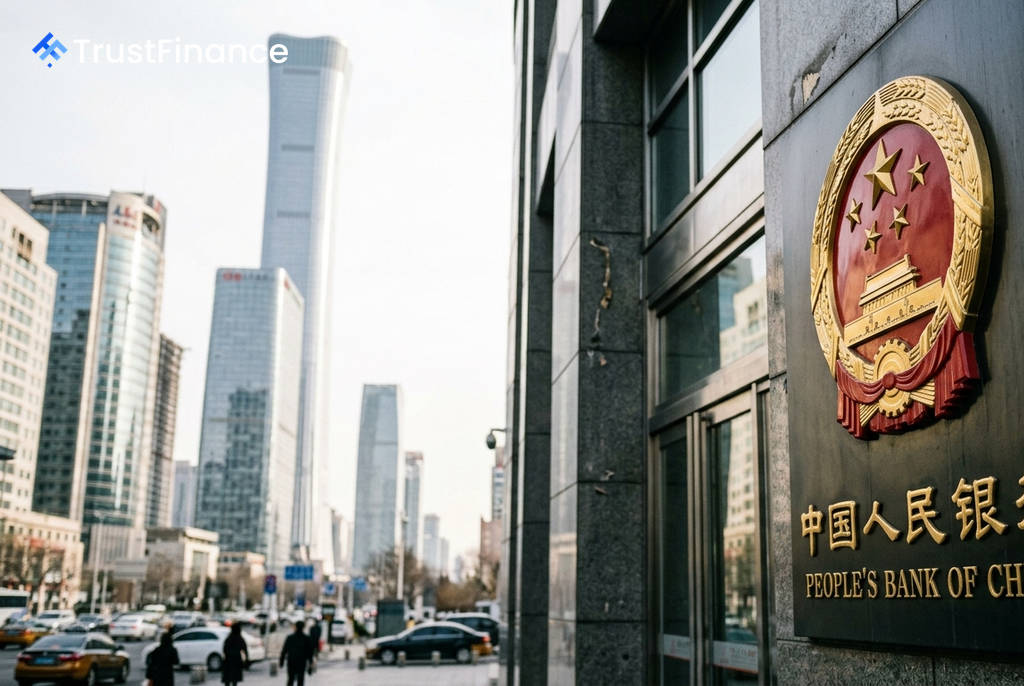
China’s finance ministry will inject a combined $54 billion into several of its largest state-owned banks and insurers, a significant move aimed at strengthening the capital base of the country's financial system. The announcement was made on Sunday, with the affected companies releasing individual statements detailing the capital infusions.
Details of the Capital Injection
The capital will be distributed among several key players in China's financial sector. The planned injections include:
- China Life Insurance (Group) Co: The nation's largest life insurer is set to receive 35 billion yuan ($5.2 billion).
- People’s Insurance Company (Group) of China (PICC): The company plans to raise up to 15 billion yuan through a private placement of A-shares directly to the Ministry of Finance.
- China Export and Credit Insurance Corp: The ministry will inject 10 billion yuan to boost its core capital.
- China Taiping Insurance Group: Will receive 7 billion yuan.
- China Reinsurance (Group): Is slated to raise 3 billion yuan.
Bolstering Financial Stability
The move is designed to fortify the financial sector's capacity to serve the real economy and manage systemic risks. In a statement, China Life said the injection is "an important step by the country to enhance the financial sector’s ability to serve the real economy and promote the high-quality development of the financial and insurance industries."
 Ad
This capital boost positions state-owned insurers to better support the stock market with long-term funds, a role they have been previously directed to play by regulators. It may also equip them to assist authorities in managing smaller, higher-risk insurance companies facing financial strain.
Context and Market Implications
The capital infusions come as China's insurance sector grapples with significant headwinds, including eroding profitability caused by a prolonged period of low interest rates. According to the source, numerous small and mid-sized insurers have reported deteriorating solvency ratios, highlighting the pressure on their balance sheets.
For investors, this state-led action signals Beijing's commitment to ensuring the stability of its core financial institutions. By shoring up their capital, the government aims to maintain confidence in the sector and ensure these firms have the capacity to absorb potential losses and continue lending and investment activities to support broader economic goals.
Read next
More on Stocks
FTC Orders Walmart, Uber, Delta to Disclose Data on Personalized Pricing
The U.S. Federal Trade Commission is demanding nine major companies, including leading retail, travel, and gig economy firms, to provide information on how they use consumer data for setting individual prices and wages.

Google Launches Gemini 4 Carbon AI Model to Bolster Cybersecurity Capabilities
Alphabet's Google has unveiled Gemini 4 Carbon, its latest AI model specifically designed for advanced cybersecurity tasks like vulnerability detection and secure code generation. The launch escalates competition with rivals OpenAI and Anthropic in the enterprise AI market.

Oracle Shares Surge After Unveiling $225 Billion Revenue Target for 2030
Oracle stock rose sharply after the company presented a long-term financial outlook targeting at least $225 billion in annual revenue by fiscal 2030, driven by its expanding AI infrastructure business.

DOJ Scrutinizes Nvidia's $12.9B Hugging Face Deal Amid Broader Antitrust Probe, Sources Say
The U.S. Department of Justice is reportedly examining Nvidia's planned $12.93 billion acquisition of AI platform Hugging Face as part of a wider, ongoing antitrust investigation into the chipmaker's market conduct.