
Story
British Pound Falters as Surging Oil, Hawkish Fed Bets Boost US Dollar
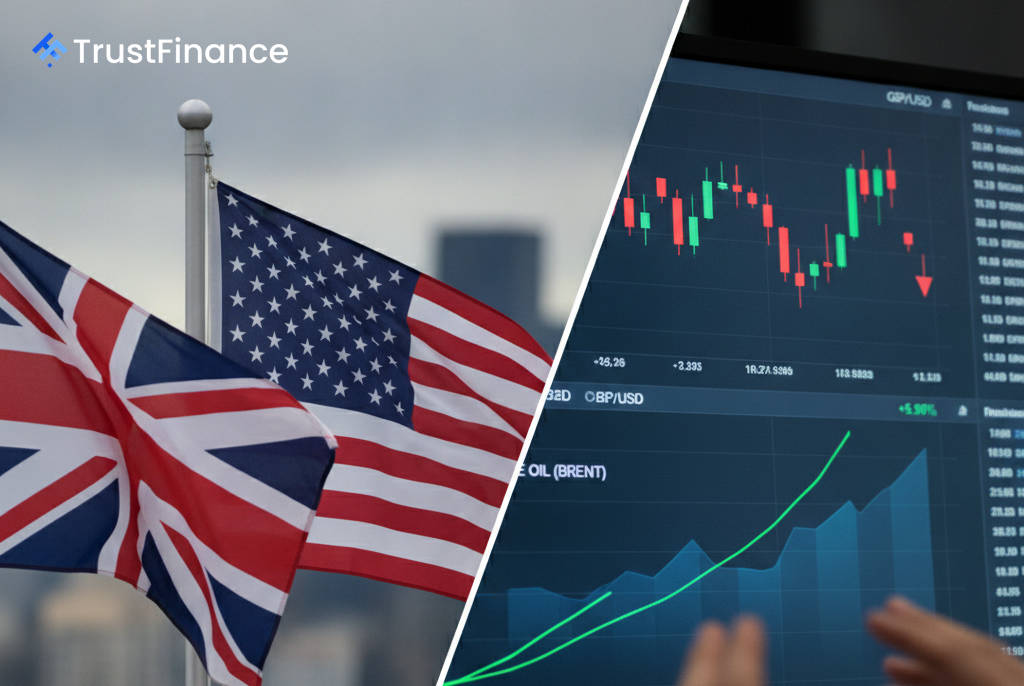
The British pound lost ground against a strengthening U.S. dollar on Wednesday, as a combination of rising oil prices and geopolitical risk fueled safe-haven demand for the greenback. Investors are also positioning for the release of potentially hawkish minutes from the Federal Reserve's June meeting, adding to the dollar's upward momentum.
Market Snapshot
By 06:15 ET (10:15 GMT), the pound sterling (GBP/USD) had slipped 0.07% to trade at $1.3343. The dollar's strength was widespread, with the euro also easing against the U.S. currency.
The move came as a risk-off sentiment took hold in markets. Key drivers included:
- Surging Oil Prices: Brent crude futures jumped nearly 6% to trade near $79 a barrel following reports of fresh U.S. strikes on Iran.
- Equity Market Jitters: Broader nervousness in stock markets further enhanced the dollar's appeal as a safe-haven asset.
Fed Minutes in Focus
 Ad
The upcoming release of minutes from the Federal Reserve's June policy meeting is a critical event for currency markets. Investors expect the details to confirm the central bank's hawkish pivot, reinforcing the case for a strong dollar.
"The importance of the Fed’s hawkish shift in June for the dollar cannot be overstated," said Francesco Pesole, an FX strategist at ING. The bank's analysts expect the minutes to cement the hawkish message, although they note that interest rate futures are currently pricing in just 35 basis points of cuts by December.
Context for Sterling
While the pound is currently under pressure from the dollar's rally, it has recently found support from rising expectations for a Bank of England rate hike. According to the source, markets are now fully pricing in a 25-basis-point hike by the end of the year.
These expectations are largely driven by the same inflation concerns boosting the dollar, as higher energy costs could force the BoE to tighten monetary policy. A sustained shift away from the dollar's dominance would likely require weaker-than-expected U.S. economic data or a surprising dovish tone from the Fed minutes, an outcome ING considers unlikely.