
Story
Brent Crude Nears $100 as Iran Threatens Gulf Energy Infrastructure
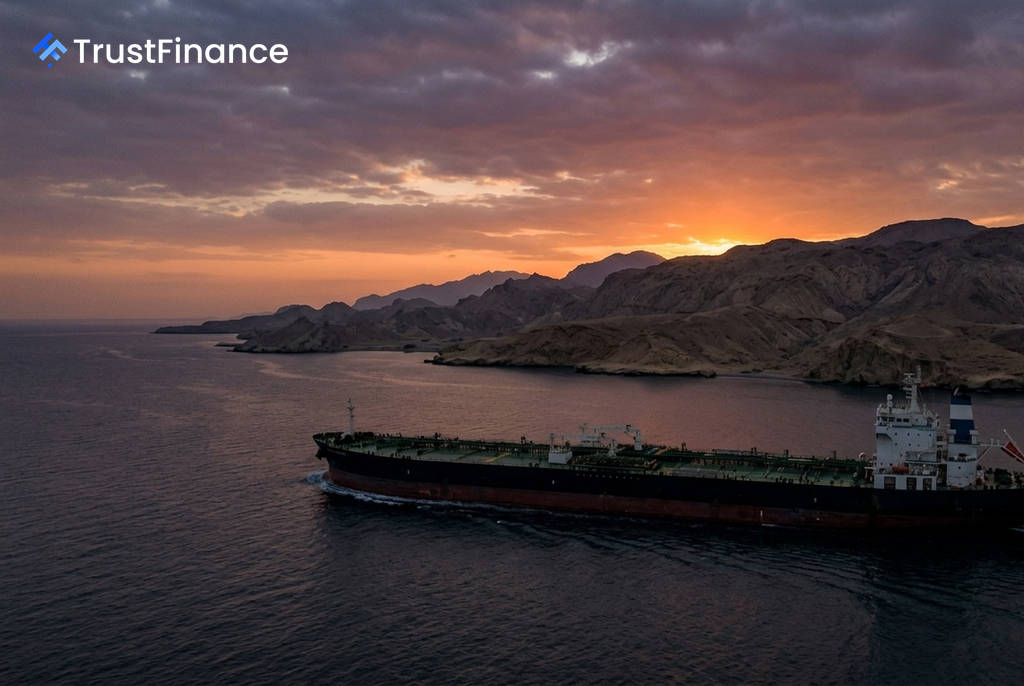
Oil prices climbed on Tuesday as investors weighed the risk of significant supply disruptions in the Middle East after Iran warned it would retaliate against regional energy infrastructure if its assets were attacked. The threats follow a series of recent tit-for-tat strikes between the U.S. and Iran, heightening geopolitical tensions in the world's most critical oil-producing region.
Market Reacts to Heightened Risk
Fears of a wider conflict impacting crude supply pushed the global oil benchmark higher. As of 7:51 AM ET, futures for November delivery of Brent crude rose 1.7% to $98.64 per barrel, after briefly touching the $98 mark on Monday. Meanwhile, U.S. West Texas Intermediate (WTI) crude futures jumped 2.7% to $93.92 per barrel.
The recent price rally builds on last week's gains, where Brent and WTI surged 8% and nearly 10%, respectively, according to Investing.com.
Iran Issues Direct Warnings
Iranian officials issued explicit threats in response to what they termed U.S. "economic warfare." Iranian Parliament Speaker Mohammad Bagher Ghalibaf warned that American oil and gas interests in the Gulf were vulnerable.
"The oil and gas production chain here is vast, accessible and exposed," Ghalibaf stated. "U.S. oil and gas companies operating in these waters and related facilities are equally exposed to this risk... Attack our assets, and you will be hit in kind."
 Ad
Tehran also threatened to establish a maritime exclusion zone in the Persian Gulf and new restrictions in the Strait of Hormuz, a critical chokepoint for global oil shipments. These measures could significantly slow tanker traffic and tighten global supply.
Analyst Forecasts and Context
In response to the escalating risks, Goldman Sachs on Sunday raised its price forecasts for both Brent and WTI by $5. The bank now projects Brent to reach $85 by December 2026 and WTI to hit $80, citing expectations that shipping disruptions in the Middle East will persist into 2027.
However, Goldman Sachs noted the forecast increase was relatively limited. The bank's analysts pointed to two key factors mitigating a more severe price spike:
- Resilient Inventories: Commercial oil inventories in OECD nations have not seen a significant drop, suggesting the market has adapted better than expected to initial supply gaps.
- Supply Adjustments: Analysts anticipate that Middle East supply will continue to adjust, with an expansion of the "dark fleet" of tankers and new pipelines coming online, allowing for a gradual production recovery in the latter half of 2027.
Read next
More on Commodities
U.S. Crude Inventories Post Surprise Draw While Gasoline Stocks Swell, EIA Reports
U.S. crude oil stockpiles fell unexpectedly last week, driven by a surge in exports, while gasoline inventories saw a significant build amid weakening demand, according to the latest EIA data.

UBS Raises Year-End Brent Forecast to $110 on Middle East Supply Risks
UBS has increased its year-end forecast for Brent crude to $110 per barrel, citing escalating supply risks in the Middle East, declining global inventories, and record-high freight costs.

Iran Dismisses Latest Qatari Peace Proposal as 'Unacceptable'
A senior Iranian official has rejected the latest Qatari-mediated draft deal to end the eight-month war, calling the ideas 'unacceptable' and signaling a continued diplomatic impasse. The news comes amid rising oil prices following attacks on Saudi energy infrastructure.

Argentina Poised to Gain EU Soymeal Market Share as Deforestation Rules Hit Brazil
Argentina's soybean industry is preparing to capture a larger share of the European Union's soymeal market as new EU anti-deforestation rules are expected to disrupt exports from rival Brazil.