
Story
Brazil's Top Banks Cut Risky Lending as Household Debt Concerns Mount
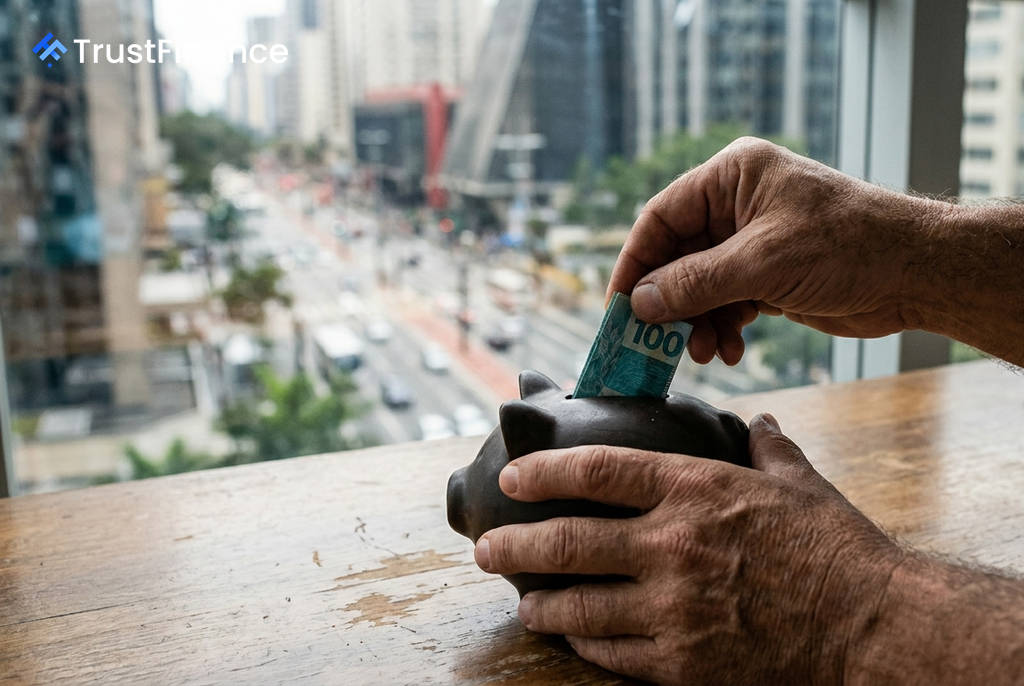
Brazil's largest banks are strategically reducing their exposure to riskier lending, pivoting toward secured products and higher-income clients. This shift, articulated by top executives at Itau, Bradesco, Santander Brasil, and Banco do Brasil, comes in response to growing concerns over a potential household debt crisis, even as the country's labor market remains strong.
A Defensive Shift in Lending Strategy
Following the latest earnings season, a consistent message emerged from Brazil's leading lenders: a deliberate retreat from unsecured consumer credit. The banks are positioning for a more challenging phase of the credit cycle by tightening underwriting standards.
- Itau Unibanco: CEO Milton Maluhy Filho issued a stark warning, stating, "The volume of credit that has been distributed in the market is far above what the market has the capacity to absorb." He confirmed Itau is now favoring secured lending.
- Bradesco: CEO Marcelo Noronha noted a significant change in risk appetite. "Our appetite for lower-income clients today is much lower than it was in the past," he said, adding that the bank's portfolio is now more heavily backed by collateral.
- Santander Brasil: The bank has reduced its exposure to customers earning less than 4,000 reais ($771.40) per month, a segment that represents a large portion of Brazil's workforce.
- Banco do Brasil: The state-controlled lender is focusing on growth in public-sector and private-sector payroll loans and has set a strategic goal to increase its number of "high-value clients" by 25% by 2030.
Household Debt Nears Record Levels
The banks' caution is rooted in household debt burdens hovering near all-time highs, at around 50% of disposable income. According to Katherine Hennings, an analyst at BRCG, this situation is unusual because household finances have deteriorated despite low unemployment and improving incomes.
 Ad
Hennings attributed the trend to expanded credit access through fintechs and government policies that have boosted consumption, often through higher-cost unsecured loans. This has created a precarious situation for many households, prompting legacy banks to pull back before a potential economic slowdown.
Market and Economic Outlook
This defensive posture from major lenders suggests they anticipate a cooling economy. While the median economist forecast points to GDP growth slowing from about 2% this year to 1.5% next year, Banco do Brasil executives project growth could fall to around 1% in 2027.
The trend highlights a divergence in the credit market. While large banks de-risk, digital lender Nubank, which focuses on unsecured credit cards, reported its 90-day-plus delinquency rate rose to 6.9% in the second quarter from 6.5% previously. The strategic shift by Brazil's banking giants could impact credit availability for a significant portion of the population and temper future consumer spending.
Read next
More on Stocks
FTC Orders Walmart, Uber, Delta to Disclose Data on Personalized Pricing
The U.S. Federal Trade Commission is demanding nine major companies, including leading retail, travel, and gig economy firms, to provide information on how they use consumer data for setting individual prices and wages.

Google Launches Gemini 4 Carbon AI Model to Bolster Cybersecurity Capabilities
Alphabet's Google has unveiled Gemini 4 Carbon, its latest AI model specifically designed for advanced cybersecurity tasks like vulnerability detection and secure code generation. The launch escalates competition with rivals OpenAI and Anthropic in the enterprise AI market.

Oracle Shares Surge After Unveiling $225 Billion Revenue Target for 2030
Oracle stock rose sharply after the company presented a long-term financial outlook targeting at least $225 billion in annual revenue by fiscal 2030, driven by its expanding AI infrastructure business.

DOJ Scrutinizes Nvidia's $12.9B Hugging Face Deal Amid Broader Antitrust Probe, Sources Say
The U.S. Department of Justice is reportedly examining Nvidia's planned $12.93 billion acquisition of AI platform Hugging Face as part of a wider, ongoing antitrust investigation into the chipmaker's market conduct.