

Ugandan Shilling Weakens Past 3,900 on Strong Corporate Dollar Demand
The Ugandan shilling has depreciated against the U.S. dollar, driven by heightened demand from manufacturers and energy firms, with traders eyeing a potential record low of 4,000.
The Ugandan shilling has depreciated against the U.S. dollar, driven by heightened demand from manufacturers and energy firms, with traders eyeing a potential record low of 4,000.

The British pound weakened against the U.S. dollar after the Bank of England kept interest rates unchanged. Investors weighed a hawkish inflation forecast against a cautious policy statement and persistent dollar strength.
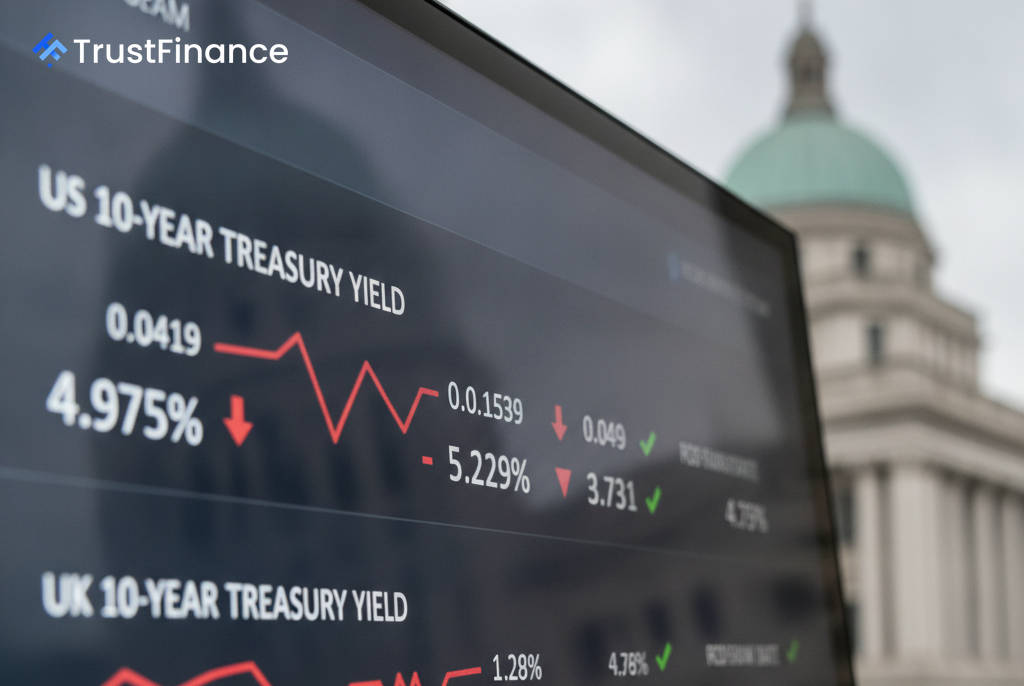
Sovereign bond yields retreated from recent highs across major markets after the U.S. Federal Reserve's decisive rate hike and the Bank of England's hold provided investors with clearer policy outlooks.

The U.S. dollar's recent advance stalled after a widely expected Federal Reserve rate increase, while the British pound declined as the Bank of England kept its policy rate unchanged despite a split vote.
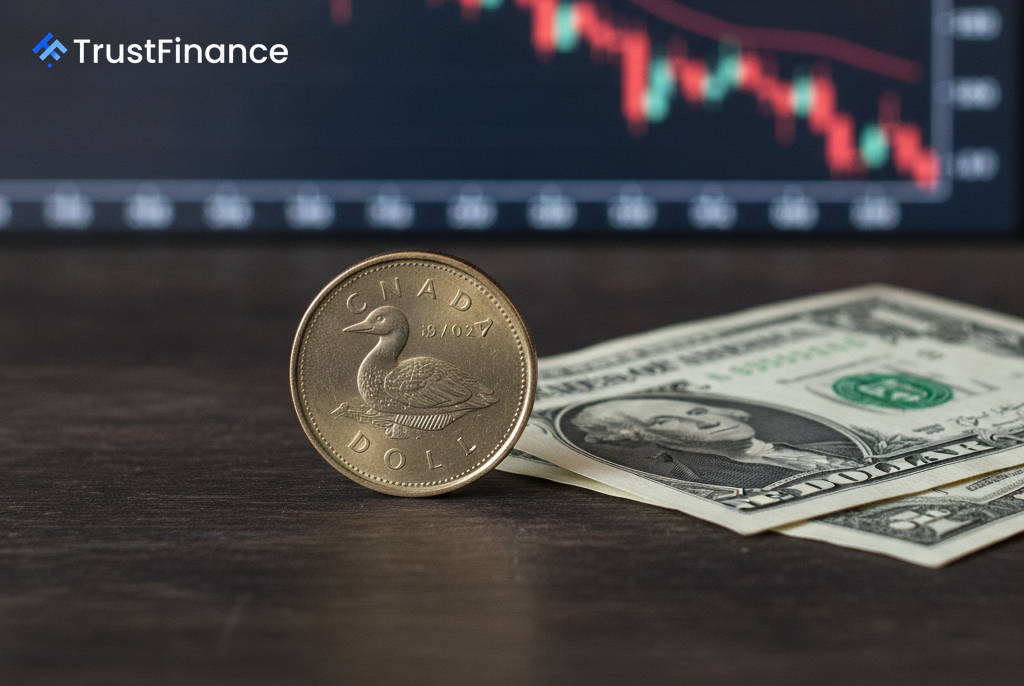
The Canadian dollar declined to its lowest point in a month against its U.S. counterpart after the Federal Reserve raised interest rates and signaled further tightening. The move strengthened the U.S. dollar, highlighting the widening monetary policy gap between the two central banks.

The British pound lost ground against a strengthening U.S. dollar as investors awaited a widely expected Federal Reserve rate hike. A modest acceleration in UK inflation also weighed on the currency, though analysts believe it is unlikely to alter the Bank of England's policy path.

Analysts at Citi suggest that any strength in the British pound following the Bank of England's upcoming meeting may be temporary, as investor focus shifts to fiscal risks associated with the October budget.

According to analysts at UBS, the Swiss franc's low yield could push the EUR/CHF to retest the 0.96 level as the Swiss National Bank is expected to hold rates while other central banks remain hawkish.

Government bond yields across the euro area remained near their highest levels in years as investors adopted a cautious stance before the U.S. Federal Reserve's anticipated interest rate hike.