
Story
Apple's First Foldable iPhone to Ship Over 10M Units in First Year, IDC Projects
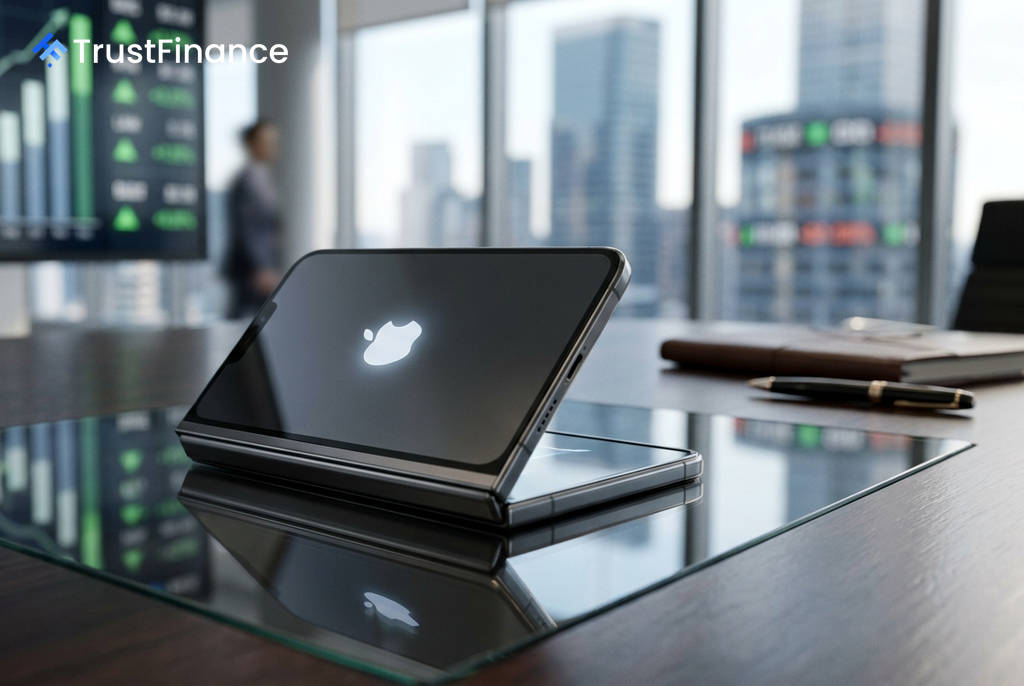
Apple Inc.'s (NASDAQ:AAPL) anticipated first foldable iPhone is projected to ship more than 10 million units within its first year of release, according to new estimates from the research firm International Data Corporation (IDC). The device, expected to launch in September, would mark the technology giant's long-awaited entry into the premium foldable smartphone market.
High-End Projections
IDC forecasts the passport-style foldable device will be positioned at the top of the market with a $2,500 price tag. The firm believes this premium pricing will not deter a specific segment of the market.
"I expect the passport-style Apple foldable to be widely successful despite the high $2,500 price tag," said Nabila Popal, a senior research director at IDC. Popal noted that an "elite set of consumers" is being targeted who will be eager to purchase the new form factor.
Market Share and Segment Growth
Apple's entry is expected to significantly impact the foldable category, which was introduced by Samsung seven years ago. IDC projects that Apple could capture 40% of all foldable shipments by 2027. This move comes as the foldable segment continues to expand, with IDC forecasting growth of:
 Ad
- 12.6% this year
- 18% next year
Despite representing a small fraction of the more than one billion smartphones sold annually, the high prices of foldable devices make them a highly profitable segment for manufacturers.
Broader Industry Challenges
The growth in the niche foldable market contrasts sharply with trends in the wider smartphone industry. IDC recently revised its forecast for the broader market downward, now expecting a 16.7% decline this year.
The research firm attributes the overall market contraction to rising costs for memory chips and other key components, which are limiting production and pushing retail prices higher. "The era of the cheap smartphone has ended," said IDC's Francisco Jeronimo, noting that costs for components enabling AI are being passed directly to consumers.
Read next
More on Stocks
FTC Orders Walmart, Uber, Delta to Disclose Data on Personalized Pricing
The U.S. Federal Trade Commission is demanding nine major companies, including leading retail, travel, and gig economy firms, to provide information on how they use consumer data for setting individual prices and wages.

Google Launches Gemini 4 Carbon AI Model to Bolster Cybersecurity Capabilities
Alphabet's Google has unveiled Gemini 4 Carbon, its latest AI model specifically designed for advanced cybersecurity tasks like vulnerability detection and secure code generation. The launch escalates competition with rivals OpenAI and Anthropic in the enterprise AI market.

Oracle Shares Surge After Unveiling $225 Billion Revenue Target for 2030
Oracle stock rose sharply after the company presented a long-term financial outlook targeting at least $225 billion in annual revenue by fiscal 2030, driven by its expanding AI infrastructure business.

DOJ Scrutinizes Nvidia's $12.9B Hugging Face Deal Amid Broader Antitrust Probe, Sources Say
The U.S. Department of Justice is reportedly examining Nvidia's planned $12.93 billion acquisition of AI platform Hugging Face as part of a wider, ongoing antitrust investigation into the chipmaker's market conduct.