
Story
Apple Stock Falls Nearly 2% Following Jefferies Downgrade
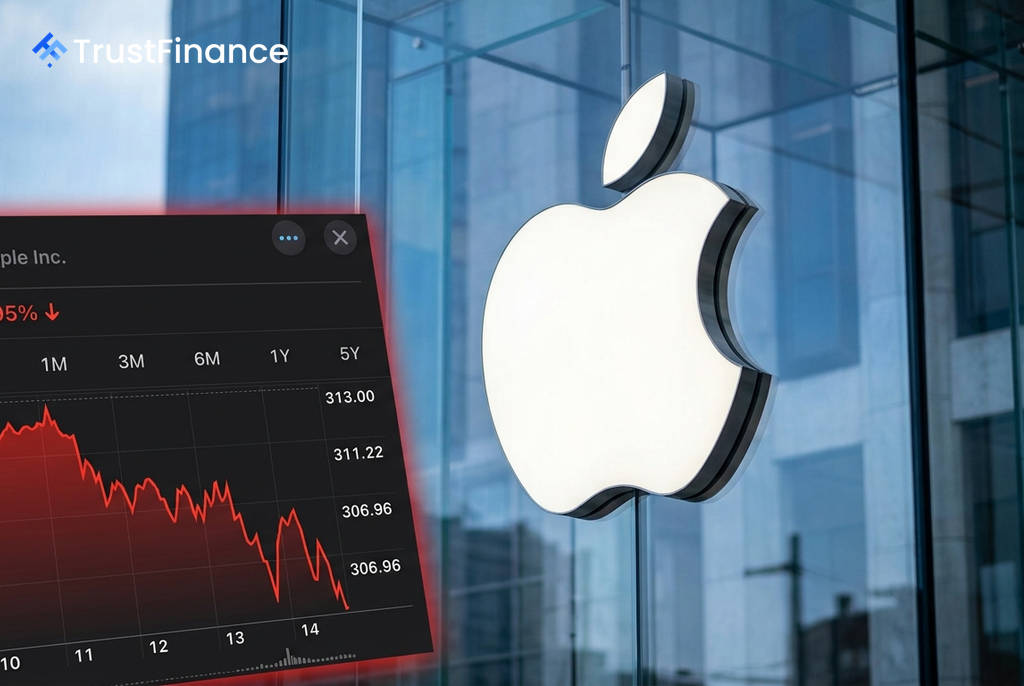
Apple Inc. (AAPL) shares fell nearly 2% in recent trading after the stock was downgraded by investment firm Jefferies. The move has prompted investors to assess whether the dip is a short-term reaction or a signal of potential deeper weakness for the technology giant.
Market Reaction and Context
The stock's decline of 1.95%, as cited by Investing.com, falls within what is often considered normal daily volatility for a mega-cap company like Apple. Analyst rating changes can trigger immediate, or "knee-jerk," selling pressure from short-term traders.
However, a single downgrade does not fundamentally alter the company's long-term business outlook. The key question for investors is whether the downgrade reflects a broader shift in analyst consensus or highlights a previously overlooked risk to Apple's core business, such as slowing iPhone sales or pressure on profit margins.
Is This a Buying Opportunity?
Market analysis suggests that investors should exercise caution before interpreting the price drop as a clear buying signal. For a pullback to be considered a genuine value opportunity, several factors would typically need to align.
 Ad
According to a report from Investing.com, key signals that long-term investors often watch for include:
- Technical Indicators: Signs that the stock is technically "oversold," as indicated by metrics like the Relative Strength Index (RSI).
- Price Support: The stock holding firm at key technical support levels where buying interest has historically emerged.
- Valuation: The dip bringing Apple's valuation to a more attractive level relative to its historical averages or its peers in the technology sector.
Outlook and Key Takeaways
For now, the nearly 2% drop is not considered a major event that would automatically attract value investors. The market will be watching for further confirmation before a clear trend emerges.
Investors will be monitoring for additional analyst actions, which could indicate a shifting sentiment. Conversely, a price stabilization or reversal pattern could suggest the initial selling pressure has been absorbed. Without new information on the company's fundamentals, the downgrade serves as a point of caution rather than a definitive market call.
Read next
More on Stocks
FTC Orders Walmart, Uber, Delta to Disclose Data on Personalized Pricing
The U.S. Federal Trade Commission is demanding nine major companies, including leading retail, travel, and gig economy firms, to provide information on how they use consumer data for setting individual prices and wages.

Google Launches Gemini 4 Carbon AI Model to Bolster Cybersecurity Capabilities
Alphabet's Google has unveiled Gemini 4 Carbon, its latest AI model specifically designed for advanced cybersecurity tasks like vulnerability detection and secure code generation. The launch escalates competition with rivals OpenAI and Anthropic in the enterprise AI market.

Oracle Shares Surge After Unveiling $225 Billion Revenue Target for 2030
Oracle stock rose sharply after the company presented a long-term financial outlook targeting at least $225 billion in annual revenue by fiscal 2030, driven by its expanding AI infrastructure business.

DOJ Scrutinizes Nvidia's $12.9B Hugging Face Deal Amid Broader Antitrust Probe, Sources Say
The U.S. Department of Justice is reportedly examining Nvidia's planned $12.93 billion acquisition of AI platform Hugging Face as part of a wider, ongoing antitrust investigation into the chipmaker's market conduct.