
Story
Apple Reportedly Trains Proprietary AI Model for China With Alibaba's Support
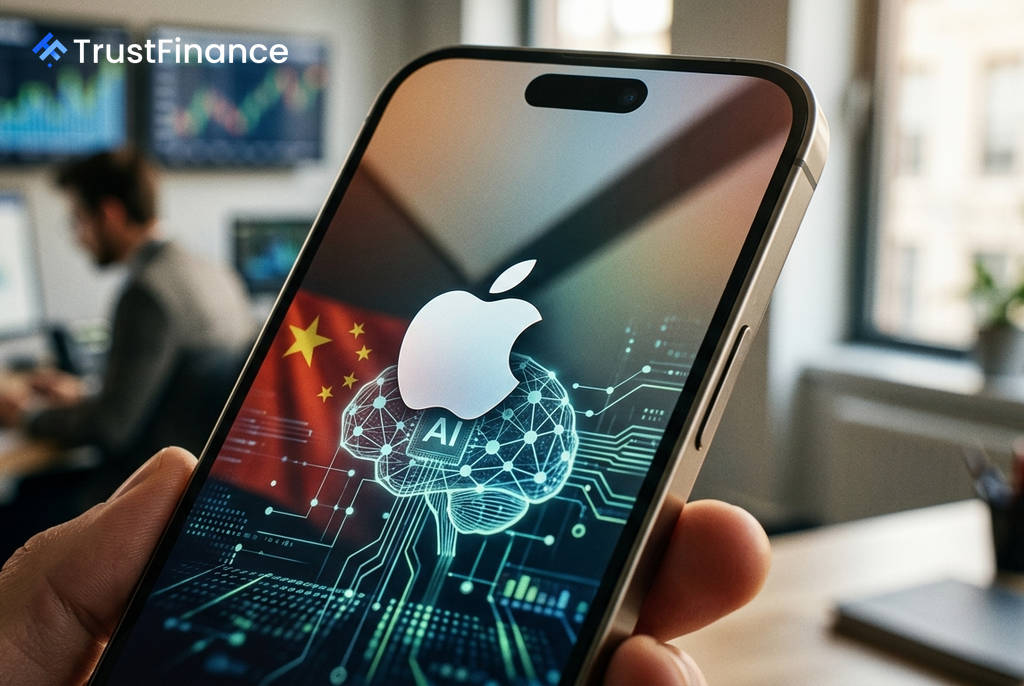
Apple Inc. has trained a large language model specifically for the China market, a departure from its initial strategy of relying solely on third-party models, according to three people familiar with the matter. The model was reportedly developed in partnership with Alibaba Group, signaling a strategic shift for the iPhone maker in one of its most critical and competitive overseas markets.
A Dual-Track AI Strategy
This development suggests Apple is pursuing a dual-track approach for its Apple Intelligence suite of AI tools, which is expected to launch in China in the coming months. The company had previously indicated it would lean on domestic partners, with reports in July stating it would incorporate Alibaba’s Qwen model and technology from Baidu to comply with local regulations.
Developing its own China-specific model would afford Apple greater control over the AI experience on its devices. This is crucial as U.S. models from its global partners, such as OpenAI's ChatGPT and Anthropic's Claude, are not available in the country.
Navigating Regulatory Hurdles
The move follows a significant regulatory milestone. Last month, the Cyberspace Administration of China (CAC), the country's internet watchdog, officially registered Apple's generative AI service. This cleared the way for Apple Intelligence to be deployed on iPhones, iPads, and other devices in mainland China.
 Ad
By deploying its own model, Apple could become the first foreign company approved by Beijing to offer a proprietary generative AI service in China. This represents a rare instance of collaboration between U.S. and Chinese tech firms amid ongoing geopolitical tensions.
Market Context and Unanswered Questions
The push for a tailored AI solution comes as Apple faces intense competition from local rivals like Huawei, which have gained ground by integrating AI features into their handsets. The absence of comparable AI tools on Chinese iPhones has been cited as a factor impacting the company's sales in the region, which accounts for a significant portion of its revenue.
However, it is not yet clear how Apple's self-trained model would function alongside the third-party models from its Chinese partners. This uncertainty was highlighted last week when Apple briefly published, and then deleted without explanation, a Chinese-language guide on connecting Alibaba's Qwen model to Siri and Writing Tools on Mac computers.
Read next
More on Stocks
FTC Orders Walmart, Uber, Delta to Disclose Data on Personalized Pricing
The U.S. Federal Trade Commission is demanding nine major companies, including leading retail, travel, and gig economy firms, to provide information on how they use consumer data for setting individual prices and wages.

Google Launches Gemini 4 Carbon AI Model to Bolster Cybersecurity Capabilities
Alphabet's Google has unveiled Gemini 4 Carbon, its latest AI model specifically designed for advanced cybersecurity tasks like vulnerability detection and secure code generation. The launch escalates competition with rivals OpenAI and Anthropic in the enterprise AI market.

Oracle Shares Surge After Unveiling $225 Billion Revenue Target for 2030
Oracle stock rose sharply after the company presented a long-term financial outlook targeting at least $225 billion in annual revenue by fiscal 2030, driven by its expanding AI infrastructure business.

DOJ Scrutinizes Nvidia's $12.9B Hugging Face Deal Amid Broader Antitrust Probe, Sources Say
The U.S. Department of Justice is reportedly examining Nvidia's planned $12.93 billion acquisition of AI platform Hugging Face as part of a wider, ongoing antitrust investigation into the chipmaker's market conduct.