
Story
Angola Authorizes Chinese Yuan for Commercial Bank Reserves
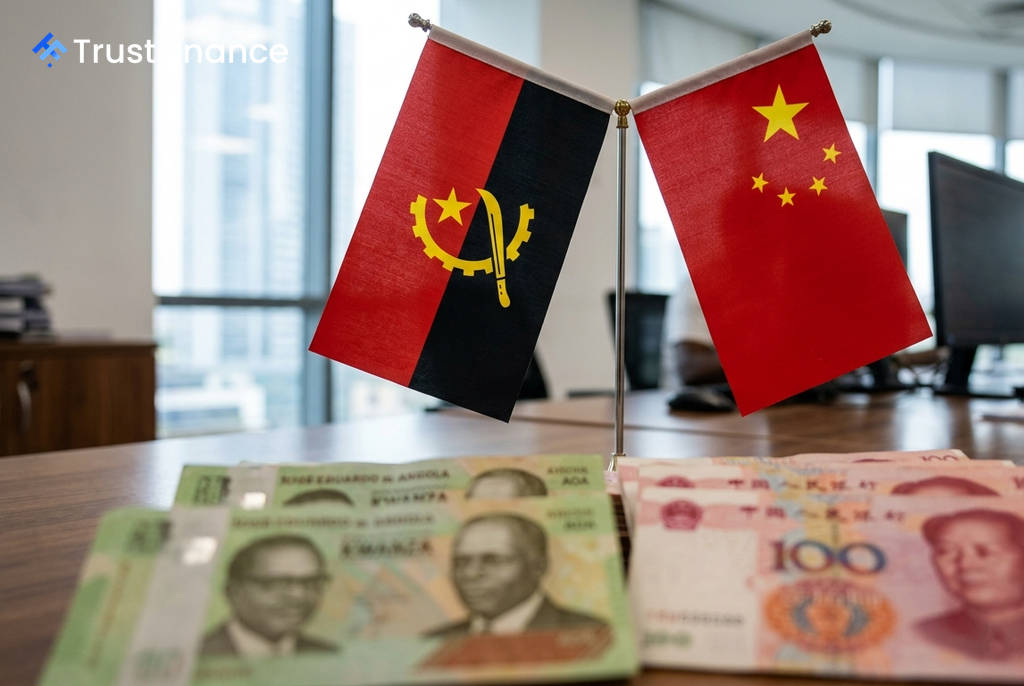
Angola's central bank has officially added the Chinese yuan to the list of currencies that commercial banks can use to meet their mandatory foreign exchange reserve requirements. The move, which signals deepening economic ties with Beijing, diversifies the options available to financial institutions for managing liquidity and stability.
Details of the Directive
The Bank of Angola announced the policy change in a directive dated July 2, which was published on its official website on Thursday. This decision places the yuan alongside the U.S. dollar, euro, and South African rand as approved currencies for the country's mandatory reserves.
These reserves are funds that commercial banks are required to hold with the central bank. They serve as a crucial tool for ensuring financial stability and managing liquidity within the nation's banking system.
Economic Context
The inclusion of the yuan reflects China's significant role as Angola's key trading partner and a primary source of financing for infrastructure. Angola, a major crude oil supplier to China, has received billions of dollars in Chinese loans, often structured around its oil exports.
 Ad
This policy alignment facilitates smoother trade and financial flows between the two countries. For investors and markets, it represents a formal acknowledgment of the yuan's importance in Angola's international economic relations.
Yuan's Expanding Influence
While the U.S. dollar remains the world's dominant reserve and trade currency, the yuan has steadily gained importance in Africa. This trend is largely driven by China's position as the continent's largest trading partner.
Angola's decision is the latest example of African nations integrating the yuan into their financial systems, a development that could gradually increase the currency's international footprint in trade and finance.