
Story
Analysts Weigh Iran's Retaliatory Options as U.S. Conflict Escalates
Summary
Following a new wave of U.S. attacks and Iranian missile retaliation, analysts are assessing Tehran's potential next steps, which could include major disruptions to global energy supplies and asymmetric attacks on Western interests.
A recent escalation in hostilities between the United States and Iran, marked by U.S. attacks and subsequent Iranian missile fire on American assets in the Middle East, has heightened investor concern over Tehran's potential retaliatory measures. The exchange of fire on Tuesday extends a conflict that began six months ago, pushing geopolitical risk to the forefront for global markets.
Threat to Global Energy Chokepoints
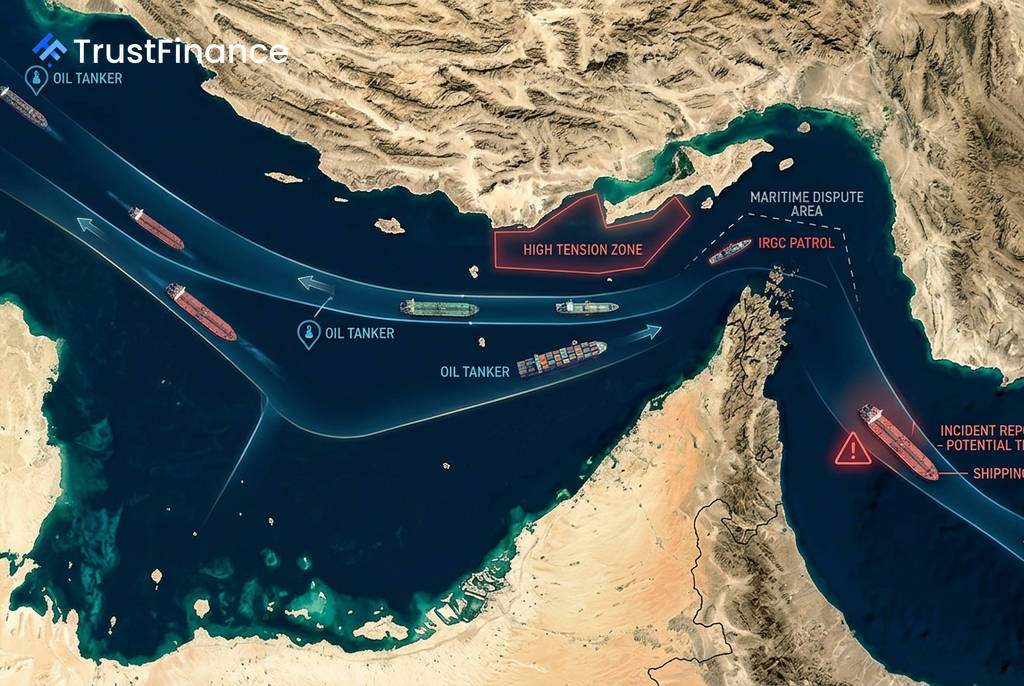
Tehran's most significant leverage lies in its ability to disrupt the global energy market. According to a Reuters report, Iranian officials have repeatedly threatened to halt oil exports from the Persian Gulf if economic pressure from the U.S. intensifies. This could involve a full blockade of the Strait of Hormuz, a vital waterway that carried approximately one-fifth of the world's energy supply before the conflict.
Attacks on shipping and energy infrastructure have already injected significant volatility into oil prices over the past six months. Potential targets for further escalation could include:
- Oil tankers navigating the Strait of Hormuz or the Bab el-Mandeb strait.
- Upstream oil and gas production facilities in neighboring Gulf states.
- Critical infrastructure such as power grids and water desalination plants, which could destabilize regional economies.
 Ad
AdMohsen Rezaei, a senior Iranian security official and former Revolutionary Guards chief, has warned that if the economic war continues, "not a single drop of oil will be exported" through the region, as cited by Reuters.
Asymmetric and Cyber Warfare
Beyond conventional military action, Iran may resort to asymmetric tactics to strike Western interests. While Western nations are largely outside the range of Iran's conventional missile arsenal, the Revolutionary Guards have been linked to alternative methods of attack.
Western intelligence agencies have previously accused Iran of conducting cyberattacks. U.K. officials have attributed the shutdown of a small electricity station to Iran-linked hackers, while U.S. officials have suggested Tehran was behind cyber intrusions on water plants, according to the report. Iran has not commented on or has denied these allegations. This vector of attack represents a credible threat to critical infrastructure far beyond the immediate conflict zone.
Read next
More on Commodities
Wheat Futures Decline on Technical Selling as Crude Oil Weakens
Chicago wheat futures edged lower on Wednesday, pressured by technical selling linked to a downturn in crude oil prices, though losses were limited by ongoing global supply concerns.

Raw Sugar Futures Slip as Declining Oil Prices Weigh on Ethanol Demand
Raw sugar futures edged lower as a drop in crude oil prices made ethanol production less profitable, incentivizing mills to produce more sugar. However, prices found support from forecasts of lower crop yields in key producing regions.

Continental Resources Signs MOU with Venezuela's PDVSA to Develop Orinoco Oil Field
U.S.-based Continental Resources has entered a preliminary agreement with Venezuela's state-owned oil company, PDVSA, to jointly develop a block in the Orinoco Heavy Oil Belt estimated to hold 30 billion barrels of oil.

Soybean Futures Rise on Hopes for U.S.-China Trade Talks
CBOT soybean futures closed higher Wednesday, supported by news of a planned meeting between top U.S. and Chinese officials which has raised expectations for stronger export demand.