
Story
Airlines Face Prolonged Financial Drag from High Engine Maintenance Costs
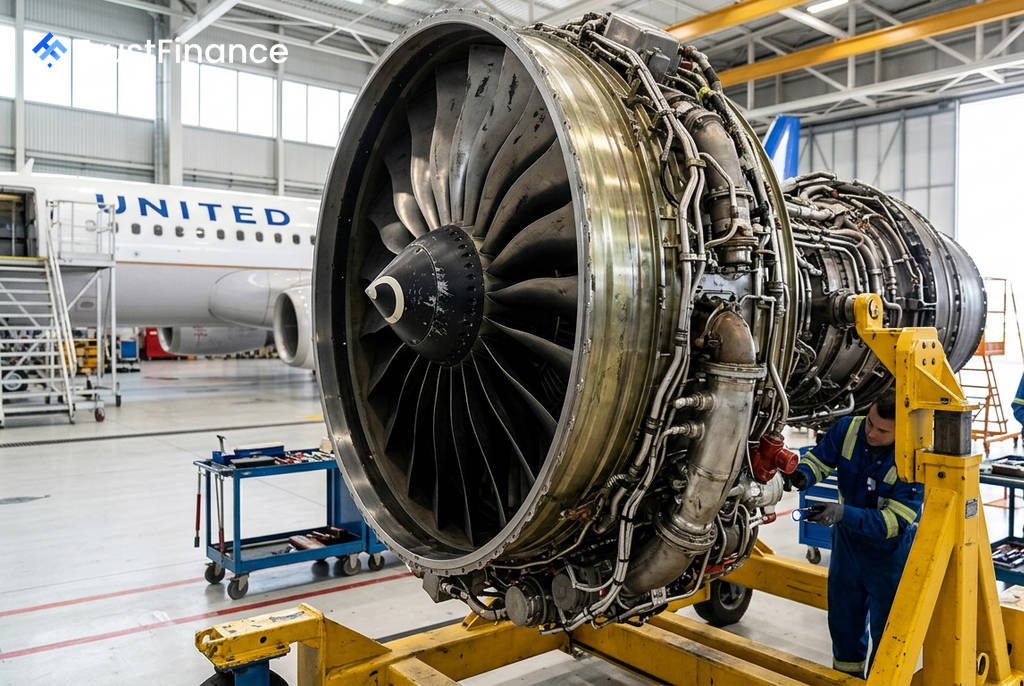
Airlines are making progress in returning jets to service following a years-long engine crisis, but the associated financial burdens are proving far more persistent. The high costs of maintenance, parts, and aircraft leases incurred during the disruption are expected to weigh on carriers' balance sheets long after their fleets are fully operational.
The Lingering Cost of Groundings
A recent analysis of U.S. Transportation Department data by Reuters highlights a significant disconnect between flight activity and maintenance spending. Across six major U.S. airlines, reported expenses on engine labor, repairs, and materials surged by approximately 68% between 2019 and 2025, while hours flown increased by only about 10%.
This trend continued into the first quarter of this year, with spending up 17% from a year earlier while flight hours grew by less than 2%, according to the data. The crisis was driven by durability issues in newer engines and a powder-metal defect in some Pratt & Whitney engines that required accelerated inspections, all exacerbated by widespread shortages of labor and parts.
Air New Zealand provides a clear example of the lingering financial impact. The carrier's Chief Executive, Nikhil Ravishankar, told Reuters it could take 12 to 18 months to exit the expensive aircraft and engine leases it secured to maintain its flight schedule, even as its own fleet's availability improves.
Compounding Pressures from Leases and Delays
The financial pressure is compounded by several factors, including extended repair times and delays in new aircraft deliveries. JetBlue Airways has reported that some Pratt & Whitney engine shop visits can take 200 to 300 days, forcing airlines into costly, long-term leases for replacement engines.
 Ad
Key cost increases include:
- Short-term lease rates for newer engines like the LEAP and PW1100G have surpassed $6,500 a day, up from around $5,000 a day in 2022-23, according to aviation consultancy IBA.
- A full overhaul of an older CFM56-5B engine, used on previous-generation Airbus A320s, can cost more than $10 million, according to Austin Willis, CEO of engine lessor Willis Lease Finance.
Delays from Boeing and Airbus are forcing airlines to operate older aircraft for longer than planned, triggering maintenance work they had hoped to avoid. Oliver Wyman and the International Air Transport Association (IATA) estimated that delayed aircraft replacements could add about $3.1 billion to global airline maintenance costs in 2025.
Tensions Rise Over Repair Pricing
The situation has intensified tensions between airlines and engine manufacturers over the cost of repairs and parts. At an IATA meeting in June, United Airlines CEO Scott Kirby stated that engine makers possess significant pricing power and are leveraging shortages to increase charges.
Engine makers like GE Aerospace and RTX, Pratt & Whitney's parent company, have reported that groundings are decreasing as they increase repair capacity and roll out more durable parts. However, for airlines, the financial relief is not immediate. "The fact that AOGs (aircraft on ground) have come down, that doesn’t change the maintenance cost," Willis told Reuters.
Read next
More on Stocks
FTC Orders Walmart, Uber, Delta to Disclose Data on Personalized Pricing
The U.S. Federal Trade Commission is demanding nine major companies, including leading retail, travel, and gig economy firms, to provide information on how they use consumer data for setting individual prices and wages.

Google Launches Gemini 4 Carbon AI Model to Bolster Cybersecurity Capabilities
Alphabet's Google has unveiled Gemini 4 Carbon, its latest AI model specifically designed for advanced cybersecurity tasks like vulnerability detection and secure code generation. The launch escalates competition with rivals OpenAI and Anthropic in the enterprise AI market.

Oracle Shares Surge After Unveiling $225 Billion Revenue Target for 2030
Oracle stock rose sharply after the company presented a long-term financial outlook targeting at least $225 billion in annual revenue by fiscal 2030, driven by its expanding AI infrastructure business.

DOJ Scrutinizes Nvidia's $12.9B Hugging Face Deal Amid Broader Antitrust Probe, Sources Say
The U.S. Department of Justice is reportedly examining Nvidia's planned $12.93 billion acquisition of AI platform Hugging Face as part of a wider, ongoing antitrust investigation into the chipmaker's market conduct.