
Story
AI Infrastructure Spending More Sustainable Amid Revenue Boom, JPMorgan Says
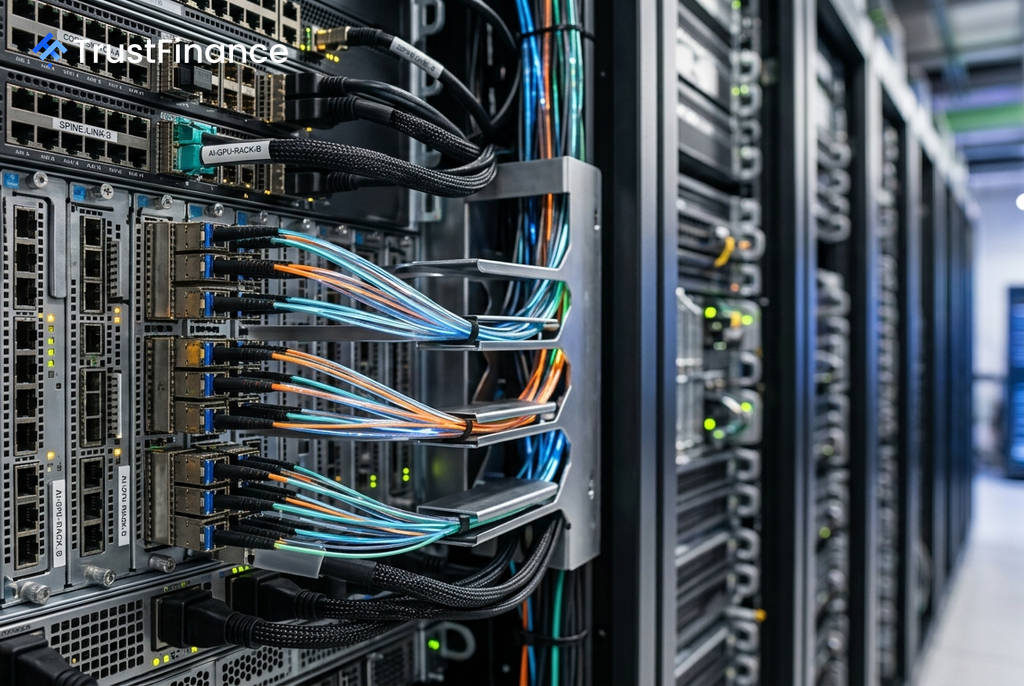
The massive capital expenditure cycle in artificial intelligence is looking more economically viable than it did six months ago, driven by a significant acceleration in revenue at AI companies, according to a new report from JPMorgan.
Revenue Growth Bolsters Capex Outlook
In a note to clients, JPMorgan strategist Nikolaos Panigirtzoglou stated that the recent surge in AI-related sales strengthens the business case for the sector's enormous infrastructure investment. "The recent acceleration in AI companies' revenues makes the AI capex cycle look more economically viable," Panigirtzoglou wrote.
The bank cautioned that this improved outlook depends on whether this revenue growth eventually translates into durable margins and an adequate return on invested capital. However, the faster top-line growth helps make the sector's high capital intensity appear more sustainable for now.
Sizing the Market Opportunity
JPMorgan highlighted the vast scale of projected AI spending and revenue, though estimates vary widely. The bank's analysts forecast a path for significant growth through the end of the decade.
 Ad
- Cumulative AI Capex: Estimates for data center capital expenditure through 2030 range from JPMorgan's internal projection of $5.5 trillion to external estimates as high as $10 trillion.
- Projected AI Revenue: The bank's equity analysts see AI cloud providers and related companies generating a combined revenue run-rate of about $1.6 trillion by the end of 2026. This is expected to grow by 10% to 20% annually, reaching $2.5 trillion to $3 trillion by 2030.
Enterprise Adoption a Key Driver
Much of the projected revenue growth is expected to come from large enterprises integrating AI into their operations. A JPMorgan survey of companies in the Asia Pacific region found that average AI spending is set to rise from 4.5% of expenses and capex over the past year to 5.8% in the next 12 months.
If this trend were applied globally, it would imply roughly $1.7 trillion of AI spending, according to the note. For the industry to reach the bank's 2030 revenue forecast of $2.5 trillion, this share of enterprise spending would need to climb to between 6.5% and 7.0%.
JPMorgan views this increase as plausible, particularly if AI shifts from an experimental phase to scaled deployment. The bank noted that enterprises could fund these higher AI budgets through productivity savings, labor substitution, increased revenue, or by reducing spending on legacy technology.
Read next
More on Stocks
FTC Orders Walmart, Uber, Delta to Disclose Data on Personalized Pricing
The U.S. Federal Trade Commission is demanding nine major companies, including leading retail, travel, and gig economy firms, to provide information on how they use consumer data for setting individual prices and wages.

Google Launches Gemini 4 Carbon AI Model to Bolster Cybersecurity Capabilities
Alphabet's Google has unveiled Gemini 4 Carbon, its latest AI model specifically designed for advanced cybersecurity tasks like vulnerability detection and secure code generation. The launch escalates competition with rivals OpenAI and Anthropic in the enterprise AI market.

Oracle Shares Surge After Unveiling $225 Billion Revenue Target for 2030
Oracle stock rose sharply after the company presented a long-term financial outlook targeting at least $225 billion in annual revenue by fiscal 2030, driven by its expanding AI infrastructure business.

DOJ Scrutinizes Nvidia's $12.9B Hugging Face Deal Amid Broader Antitrust Probe, Sources Say
The U.S. Department of Justice is reportedly examining Nvidia's planned $12.93 billion acquisition of AI platform Hugging Face as part of a wider, ongoing antitrust investigation into the chipmaker's market conduct.