
Story
AI-Driven Memory Chip Surge Boosts Producers, Squeezes Tech Hardware Giants
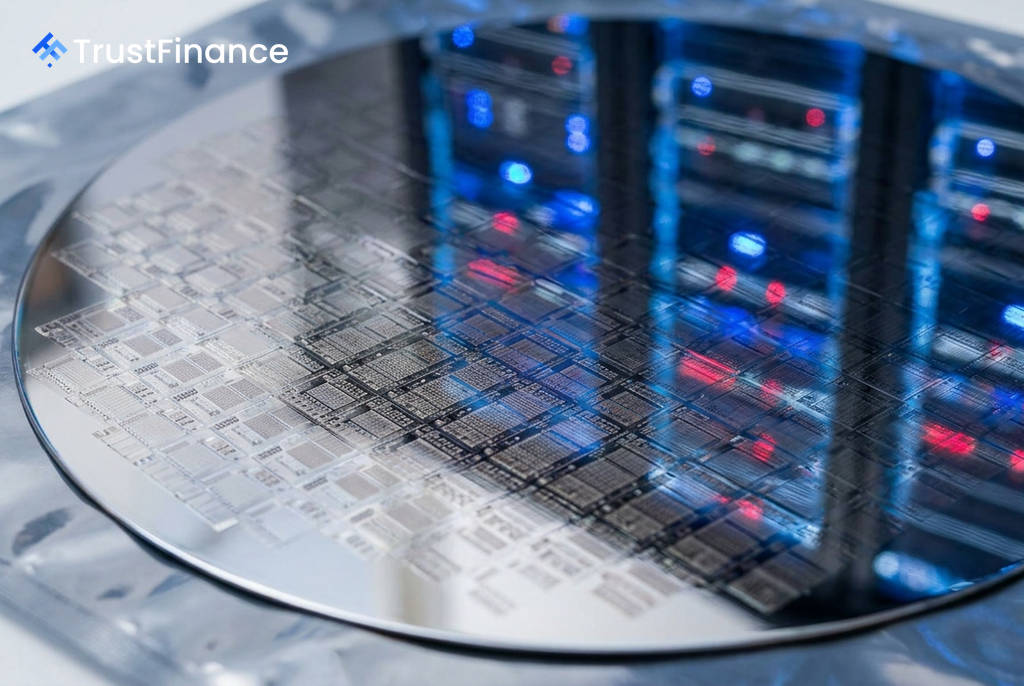
A surge in the price of essential memory chips is creating a stark divergence in the technology supply chain, delivering massive gains for producers while squeezing the profit margins of the hardware and cloud computing companies that buy their products. The rally is fueled by voracious demand for components used in artificial intelligence systems and disciplined supply management from the market's dominant manufacturers.
A Tale of Two Sectors
The primary beneficiaries of the price hikes are the three companies that dominate the memory market: Micron, Samsung, and SK Hynix. According to the source material, Micron Technology's (MU) stock has seen a year-over-year return of +718.9%. Similarly, Samsung Electronics (005930) and NAND-focused Kioxia Holdings (285A) have also posted triple- and quadruple-digit percentage gains, respectively.
Conversely, companies that rely on these components are facing significant cost pressures. PC makers are particularly vulnerable, as memory represents a large portion of their bill-of-materials. Dell Technologies (DELL) and HP Inc (HPQ) are absorbing the impact, with analysts at UBS and Wolfe Research specifically citing "memory pricing volatility" as a key risk for Dell's PC and server margins.
Even the world's largest tech firms are not immune. While Apple's (AAPL) premium pricing provides a buffer against rising component costs for its iPhones, reports indicate that Google (GOOGL) is bundling memory chip orders across its cloud and Pixel device businesses to increase its bargaining power. For cloud hyperscalers like Amazon and Microsoft, the vast amounts of High Bandwidth Memory (HBM) and DDR5 DRAM needed for AI infrastructure represent a substantial new cost layer.
Driving Forces and Outlook
 Ad
The current price environment is driven by several key factors:
- AI's Insatiable Appetite: The buildout of AI training systems requires vast quantities of high-performance, high-margin HBM, diverting manufacturing capacity from consumer-grade memory.
- Technology Transition: The industry-wide upgrade from the DDR4 to the DDR5 memory standard is tightening the supply of both types of chips.
- Supply Discipline: The top three producers have learned from past boom-and-bust cycles and are managing capacity more tightly to support higher average selling prices (ASPs).
Looking ahead, memory prices are expected to remain elevated in the near term as AI-related capital expenditures show no signs of slowing. However, risks are emerging. The pushback from major buyers like Google signals that customers are actively seeking to mitigate the cost increases.
Analysts also warn of potential demand destruction. If sustained high prices lead enterprises and consumers to delay PC and server purchases, the resulting pullback in demand could eventually break the pricing cycle, repeating a classic pattern in the historically volatile semiconductor market.
Read next
More on Stocks
FTC Orders Walmart, Uber, Delta to Disclose Data on Personalized Pricing
The U.S. Federal Trade Commission is demanding nine major companies, including leading retail, travel, and gig economy firms, to provide information on how they use consumer data for setting individual prices and wages.

Google Launches Gemini 4 Carbon AI Model to Bolster Cybersecurity Capabilities
Alphabet's Google has unveiled Gemini 4 Carbon, its latest AI model specifically designed for advanced cybersecurity tasks like vulnerability detection and secure code generation. The launch escalates competition with rivals OpenAI and Anthropic in the enterprise AI market.

Oracle Shares Surge After Unveiling $225 Billion Revenue Target for 2030
Oracle stock rose sharply after the company presented a long-term financial outlook targeting at least $225 billion in annual revenue by fiscal 2030, driven by its expanding AI infrastructure business.

DOJ Scrutinizes Nvidia's $12.9B Hugging Face Deal Amid Broader Antitrust Probe, Sources Say
The U.S. Department of Justice is reportedly examining Nvidia's planned $12.93 billion acquisition of AI platform Hugging Face as part of a wider, ongoing antitrust investigation into the chipmaker's market conduct.