
Story
Oil Prices Retreat From Six-Month Highs on Diplomatic Efforts to Ease Mideast Tensions
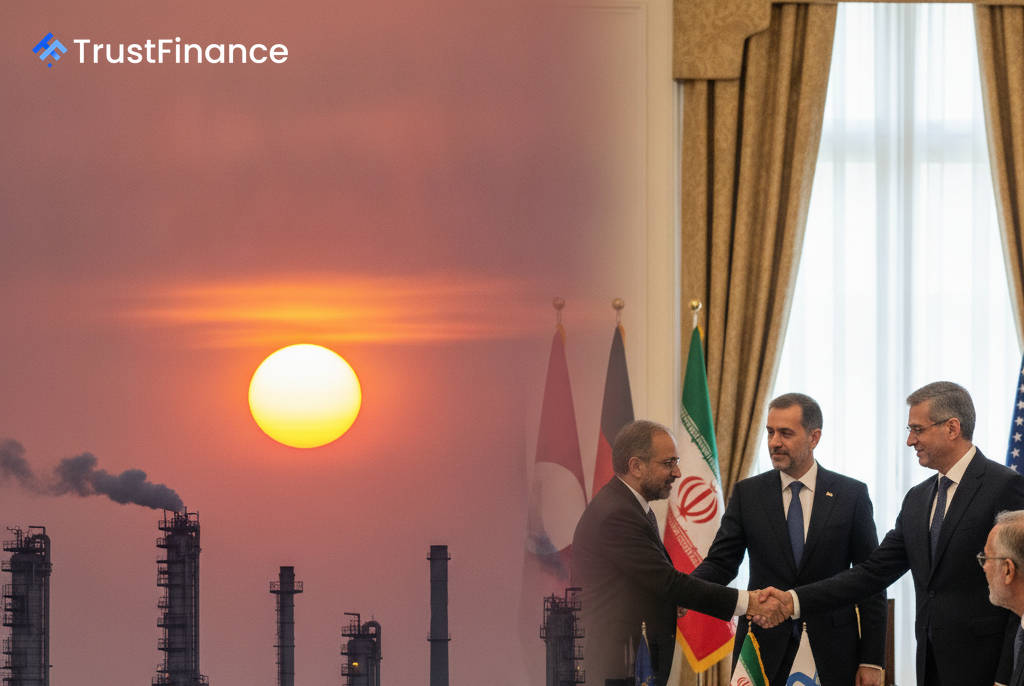
Oil prices pulled back from near six-month highs on Monday as diplomatic efforts to de-escalate tensions between the U.S., Israel, and Iran tempered market fears over potential supply disruptions. The move lower reverses some of last week's sharp gains, which were driven by attacks on Saudi Arabian energy infrastructure.
Market Reaction
As of 10:42 AM ET, benchmark crude futures saw notable declines:
- Brent crude, the global benchmark, fell 1.8% to $114.65 per barrel.
- West Texas Intermediate (WTI), the U.S. benchmark, dropped 2.1% to $101.06 per barrel.
The retreat follows a strong performance last week. On Friday, Brent settled at $116.72 a barrel, its highest close since April 29, notching a weekly gain of approximately 6%. WTI ended last week up 2.3% after prices for both benchmarks surged by nearly $3 on Friday alone.
Diplomatic Overtures
 Ad
The easing of prices on Monday is linked to reports of diplomatic activity aimed at calming the region. Media reports indicated that Qatari mediators traveled to Tehran on Sunday to help reduce tensions with Washington.
Furthermore, Reuters reported that senior officials from Saudi Arabia, Turkey, and Pakistan were scheduled to meet with their Iranian counterparts in Tehran on Monday to discuss regional coordination. This flurry of diplomacy has introduced hopes of a non-military resolution, reducing the immediate risk premium in oil prices.
Lingering Geopolitical Risks
Despite the diplomatic push, the geopolitical situation remains tense. Last week's price surge was a direct response to attacks by Iran-backed Houthi rebels in Yemen on Saudi energy facilities, stoking fears about the security of supply from the world's largest oil exporter.
The Houthi group claimed responsibility for attacks on a Saudi airport and oil facility on Saturday, and Saudi Arabia said it intercepted more missiles and drones on Sunday. Analysts at Yardeni Research noted in a report that "a war in the Middle East remains the biggest wild card for the financial markets," adding that the risk of further military escalation "remains high."
Read next
More on Commodities
U.S. Crude Inventories Post Surprise Draw While Gasoline Stocks Swell, EIA Reports
U.S. crude oil stockpiles fell unexpectedly last week, driven by a surge in exports, while gasoline inventories saw a significant build amid weakening demand, according to the latest EIA data.

UBS Raises Year-End Brent Forecast to $110 on Middle East Supply Risks
UBS has increased its year-end forecast for Brent crude to $110 per barrel, citing escalating supply risks in the Middle East, declining global inventories, and record-high freight costs.
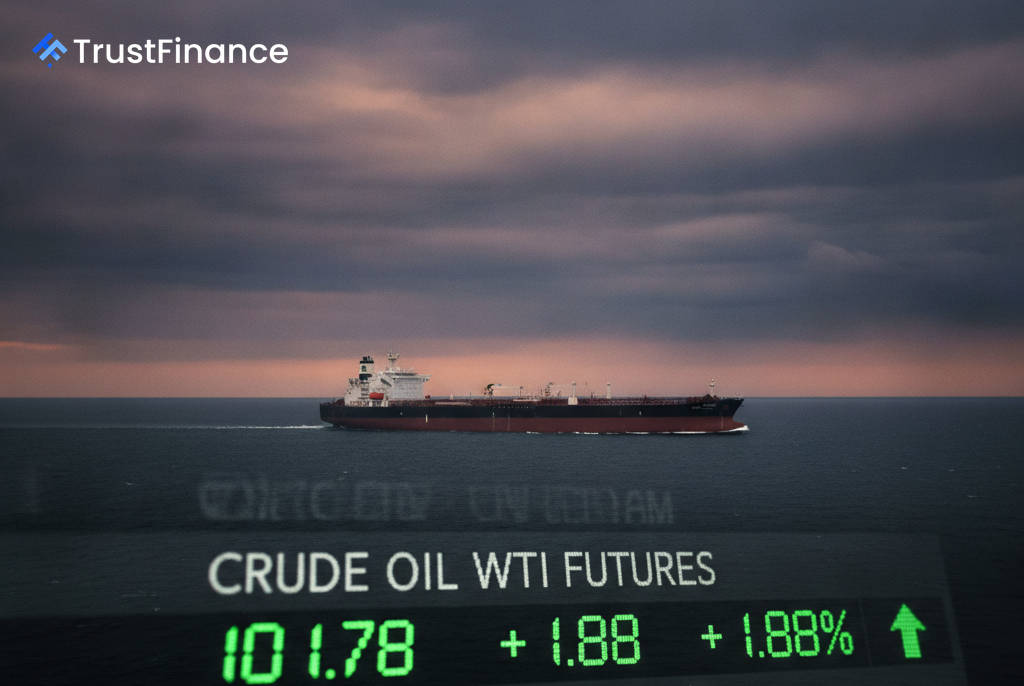
Iran Dismisses Latest Qatari Peace Proposal as 'Unacceptable'
A senior Iranian official has rejected the latest Qatari-mediated draft deal to end the eight-month war, calling the ideas 'unacceptable' and signaling a continued diplomatic impasse. The news comes amid rising oil prices following attacks on Saudi energy infrastructure.

Argentina Poised to Gain EU Soymeal Market Share as Deforestation Rules Hit Brazil
Argentina's soybean industry is preparing to capture a larger share of the European Union's soymeal market as new EU anti-deforestation rules are expected to disrupt exports from rival Brazil.