
Story
G7 Nations to Release 100 Million Barrels of Emergency Stocks to Combat High Diesel Prices
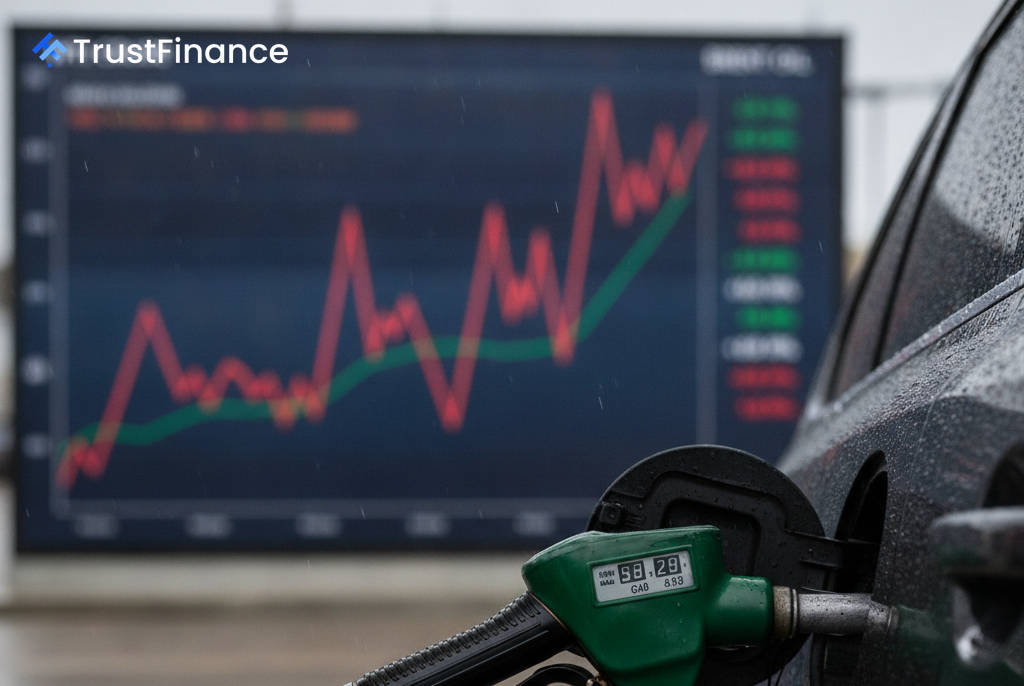
The Group of Seven (G7) industrialized nations have agreed to a coordinated release of up to 100 million barrels of emergency fuel stocks over the next four months to address surging global diesel prices. The move, coordinated by the International Energy Agency (IEA), aims to increase supply and alleviate pressure on consumers and industries facing record-high fuel costs.
Details of the Coordinated Release
French President Emmanuel Macron confirmed the details of the G7 agreement in a social media post, stating the group would work to bring down the prices of petroleum products. The release will be coupled with efforts to "make production more flexible to produce at the maximum capacity of our refineries" and a commitment to avoid trade restrictions on energy products between partner countries, Macron added.
The announcement followed comments from U.S. President Donald Trump, who said on Friday that Europe had agreed to release a “massive amount” of diesel from its inventories, with the process set to “begin immediately.” The White House had reportedly been urging European allies to tap their emergency reserves to help lower global prices, according to sources cited by Reuters.
Market Impact
 Ad
The news immediately impacted energy markets, with refined product prices falling on the prospect of increased supply. Heating oil futures for November delivery, a proxy for diesel, extended losses after the announcement, trading down 4.6% to $4.4247 a gallon.
The release is intended to counter a sharp run-up in diesel prices, which have been driven by the ongoing conflict in the Middle East and Ukrainian attacks on Russian energy infrastructure. In the U.S., the national average price for diesel hit a record high of $6.5276 per gallon on September 22 and currently stands at $6.3726, according to data from AAA.
Political and Economic Context
The coordinated action comes amid significant political pressure in the U.S. ahead of the November midterm elections, with high fuel prices being a key concern for voters. The Trump administration has been exploring various options to curb domestic fuel costs, including a potential ban on diesel exports and regulatory changes to expand the use of lower-taxed red-dyed diesel, according to reports from the Financial Times and Reuters.
Read next
More on Commodities
U.S. Crude Inventories Post Surprise Draw While Gasoline Stocks Swell, EIA Reports
U.S. crude oil stockpiles fell unexpectedly last week, driven by a surge in exports, while gasoline inventories saw a significant build amid weakening demand, according to the latest EIA data.

UBS Raises Year-End Brent Forecast to $110 on Middle East Supply Risks
UBS has increased its year-end forecast for Brent crude to $110 per barrel, citing escalating supply risks in the Middle East, declining global inventories, and record-high freight costs.
Iran Dismisses Latest Qatari Peace Proposal as 'Unacceptable'
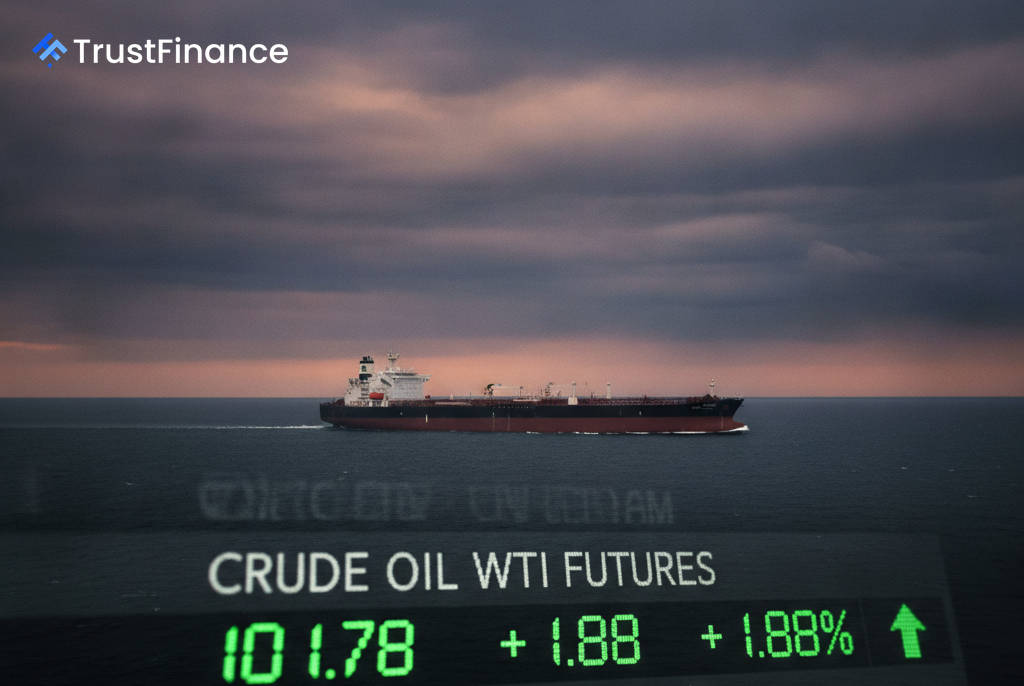
A senior Iranian official has rejected the latest Qatari-mediated draft deal to end the eight-month war, calling the ideas 'unacceptable' and signaling a continued diplomatic impasse. The news comes amid rising oil prices following attacks on Saudi energy infrastructure.

Argentina Poised to Gain EU Soymeal Market Share as Deforestation Rules Hit Brazil
Argentina's soybean industry is preparing to capture a larger share of the European Union's soymeal market as new EU anti-deforestation rules are expected to disrupt exports from rival Brazil.