
Story
Bernstein Highlights Key China Biopharma Stocks for AI-Driven Drug Development

Summary
Bernstein has identified several Chinese biopharma companies, including WuXi AppTec and Hengrui Medicine, that are well-positioned to leverage AI. The firm's analysis favors companies with measurable R&D productivity and integrated platforms.
Bernstein has identified a select group of China-based biopharmaceutical companies that it believes are strategically positioned to benefit from the integration of artificial intelligence in drug development. The brokerage firm's analysis prioritizes companies with measurable research productivity and end-to-end platforms over those making standalone AI announcements.
The AI Integration Thesis
According to a note from Bernstein, the future leaders in the space will be those that can effectively combine computational tools with physical-world capabilities. The firm is focused on companies that demonstrate measurable R&D productivity, a robust pipeline of active programs, and the ability to scale from experimental validation to manufacturing.
The analysis highlights a preference for integrated biopharma companies and large-scale service providers. These firms possess proprietary preclinical, clinical, and commercial datasets, which are crucial for training effective AI models and translating digital insights into viable treatments.
Companies in Focus
Bernstein's report named several companies that fit its investment thesis, emphasizing their pipelines and operational scale:
 Ad
Ad- Hengrui Medicine (600276.SS): Noted as a preferred integrated biopharma company, it boasts the largest active pipeline among the covered firms, with 74 active programs as of September 28.
- WuXi AppTec (603259.SS, 2359.HK): Rated "Outperform," WuXi AppTec is seen as a key scaled service provider. Bernstein highlighted its role in supporting AI drug discovery through its extensive experimental capabilities, including its compound libraries.
- Hansoh Pharma (3692.HK): This established firm was recognized for its 25 active pipeline programs and its end-to-end drug development capabilities, making it a potential beneficiary of broader AI adoption.
- Innovent Biologics (1801.HK): With 13 active programs, Innovent exemplifies the type of integrated company that can leverage AI across its full spectrum of datasets, according to the brokerage.
What It Means for Investors
Bernstein's analysis suggests a maturing investment perspective on the role of AI in the biopharmaceutical industry, shifting the focus from the novelty of AI partnerships to the tangible results they produce.
For investors, this underscores the importance of evaluating companies based on fundamental metrics such as pipeline progress, clinical execution, and the infrastructure to support R&D at scale. The ability to integrate AI into a proven drug development workflow is now seen as a more critical differentiator than simply announcing AI-related initiatives.
Read next
More on Stocks
TDK, Taiyo Yuden Shares Climb on AI Component Partnership Talks
Shares of Japanese electronics makers TDK and Taiyo Yuden rose after the companies signed a memorandum of understanding to explore a business alliance for developing advanced components for the artificial intelligence industry.

Singapore Equities Top Asia in Q3; South Korean Tech Stocks See Sharp Pullback
Singapore's bank-heavy stock market surprisingly outperformed its Asian peers in the third quarter, while South Korea's tech-driven index saw a significant decline amid profit-taking and concerns over rising global bond yields.

Apple iPhone 18 Pro Sales Jump 12% in China Launch Week, Bucking Market Downturn
Sales of Apple's iPhone 18 Pro models rose 12% year-over-year during their first week in China, allowing the company to capture the top market position despite a significant slowdown in the country's overall smartphone market, according to Counterpoint Research.
Singapore Q4 Electricity Tariff to Fall 10.4% on Lower Energy Costs
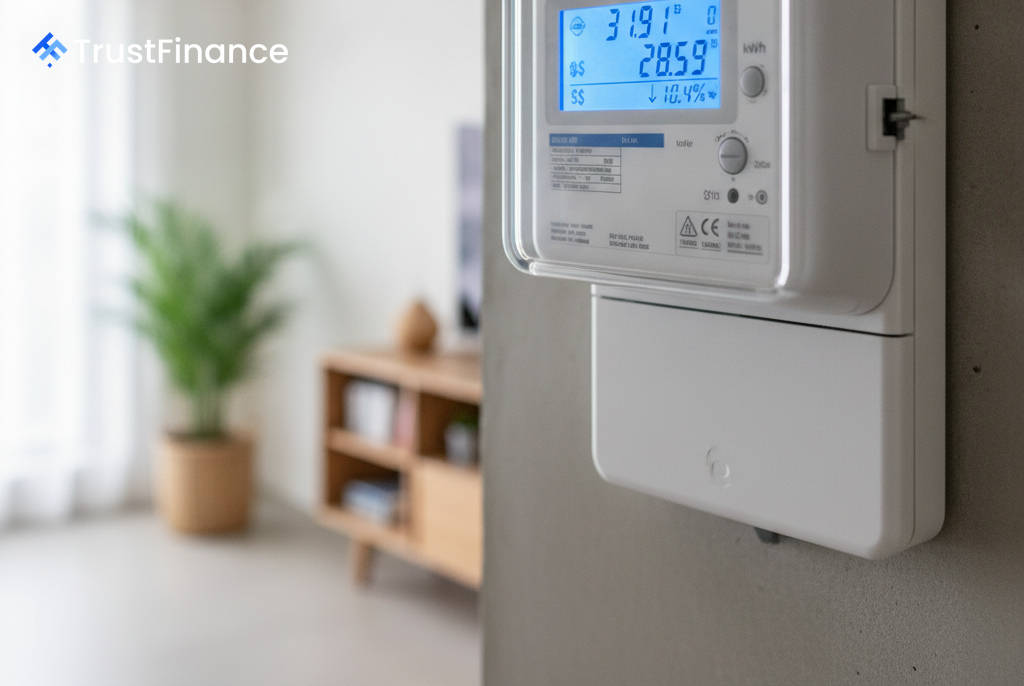
Singapore's household electricity tariff will decrease by 10.4% for the fourth quarter, from October 1 to December 31, due to a drop in energy costs, according to provider SP Group. However, the company cautioned that recent increases in global fuel prices could lead to higher tariffs in the next quarter.