

US Oil Rigs Rise, Offsetting Decline in Natural Gas Drilling
The number of active U.S. oil drilling rigs increased for the week, while natural gas rigs fell by the same amount, leaving the total count unchanged, according to data from Baker Hughes.
The number of active U.S. oil drilling rigs increased for the week, while natural gas rigs fell by the same amount, leaving the total count unchanged, according to data from Baker Hughes.

President Donald Trump is anticipated to sign an executive order concerning the U.S. beef industry on Friday, according to a Reuters report citing two sources familiar with the plan. The White House has not yet commented, and the order's specific contents are currently unknown.

Gasoline refining margins in Northwest Europe fell to $60.20 a barrel but stayed close to record levels from the 2022 energy crisis amid tight regional supplies and rising inventories.

The U.S. Treasury Department has placed a Turkish investment bank and two subsidiaries on its sanctions list, alleging they helped Iran transfer oil revenues. The move is part of a broader U.S. campaign to exert economic pressure on Tehran.
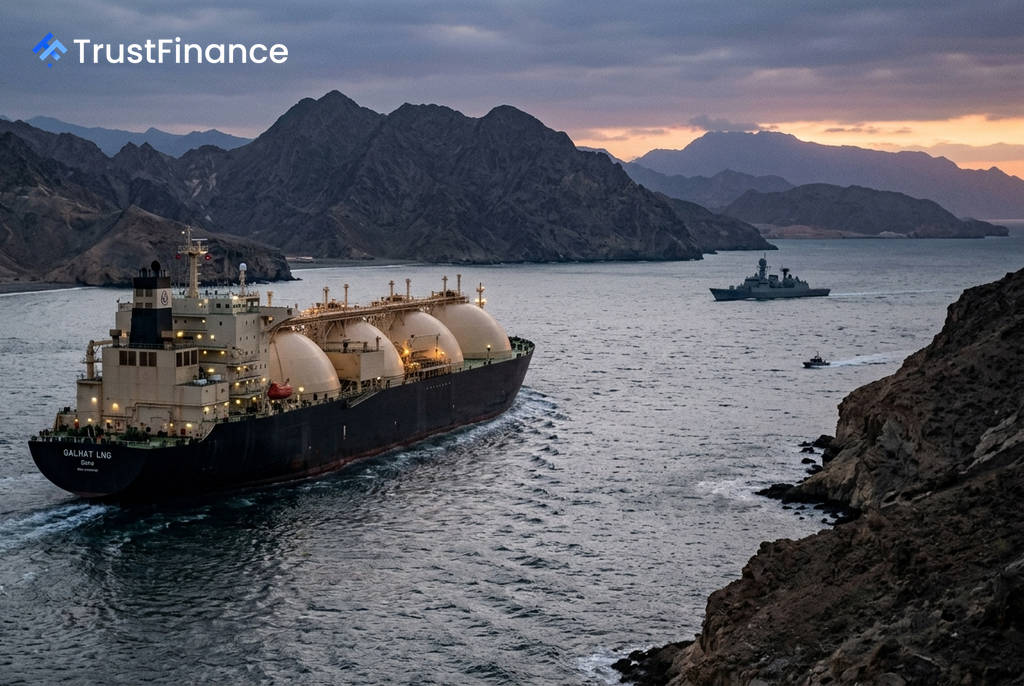
European natural gas futures are on track for a fourth consecutive weekly gain, driven by a significant geopolitical risk premium after US-Iran military actions disrupted LNG tanker traffic in the Strait of Hormuz.

Government bond yields across major developed economies have surged to their highest levels in decades, as investors demand greater compensation amid persistent inflation, rising deficits, and expectations for higher-for-longer interest rates.
European natural gas futures are set for a fourth straight weekly gain, reaching their highest levels since 2023, as a US-Iran conflict effectively chokes off LNG shipments through the Strait of Hormuz, tightening global supply.

Citigroup analysts maintain a bullish outlook on precious metals, suggesting the recent drop in gold prices presents a strategic entry point for investors and reiterating a 6-to-12-month forecast of $5,000 per ounce.

Citi and ANZ have both increased their price targets for Brent crude oil, citing sustained supply disruptions in the Middle East, falling global inventories, and geopolitical tensions impacting key shipping lanes.