

Bitcoin Climbs Above $62,000 as Softer U.S. Jobs Data Eases Fed Concerns
The leading cryptocurrency is on track for a weekly gain, buoyed by signs of a cooling U.S. labor market and a reversal of outflows from spot Bitcoin exchange-traded funds.
The leading cryptocurrency is on track for a weekly gain, buoyed by signs of a cooling U.S. labor market and a reversal of outflows from spot Bitcoin exchange-traded funds.

Cardano (ADA) registered its most significant one-day percentage increase since late February, rising over 10% and pushing its market capitalization above $6.3 billion amid a broader positive day for cryptocurrencies.
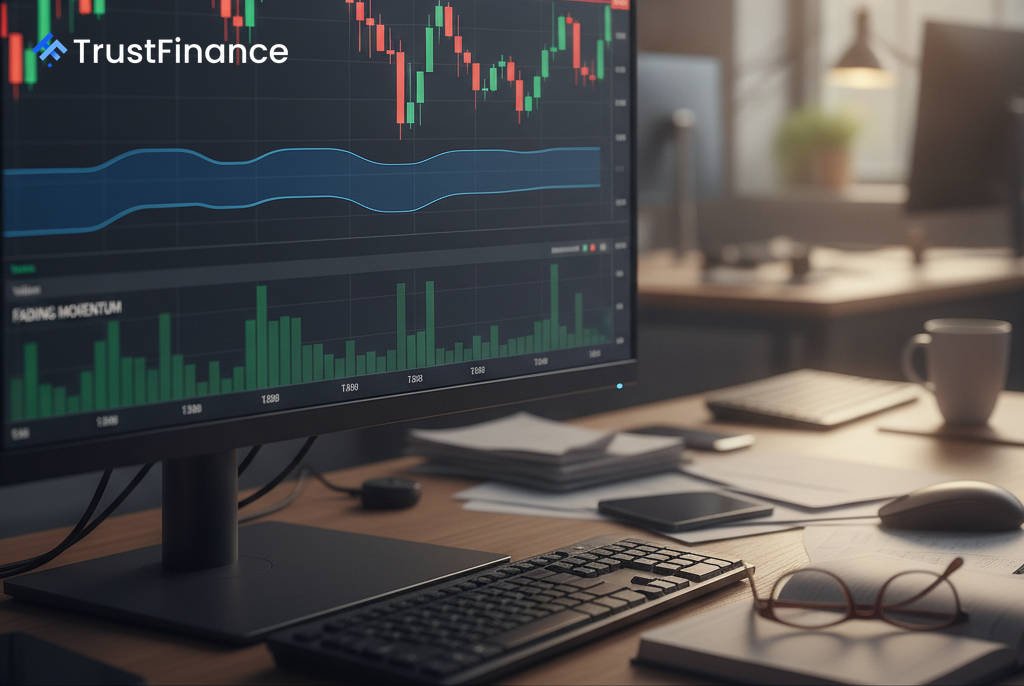
Bitcoin is facing a critical test at the $63,300 resistance level as technical indicators point to waning upward momentum. Analysts are watching for a potential 'bull trap' or price reversal if the cryptocurrency fails to break higher.
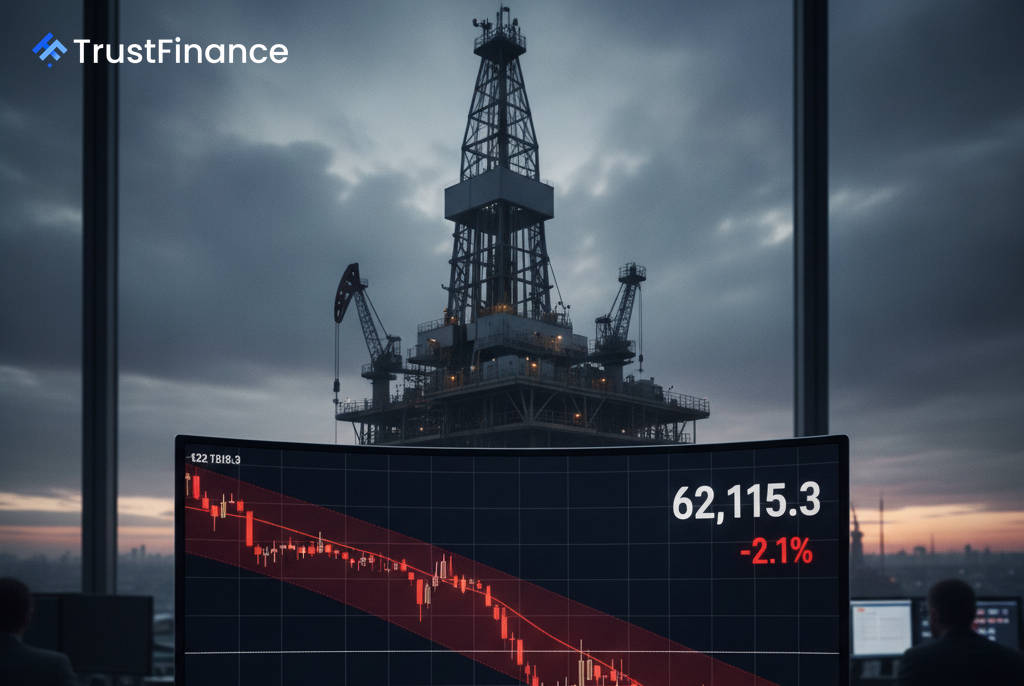
The leading cryptocurrency fell more than 2% as investors reacted to military exchanges between the U.S. and Iran and hawkish undertones in the latest Federal Reserve meeting minutes.

Standard Chartered reports that uncertainty over a new Bitcoin strategy from major corporate holder Strategy (formerly MicroStrategy) is causing short-term price pressure. The bank maintains its $100,000 Bitcoin price forecast, contingent on clear communication from the company.
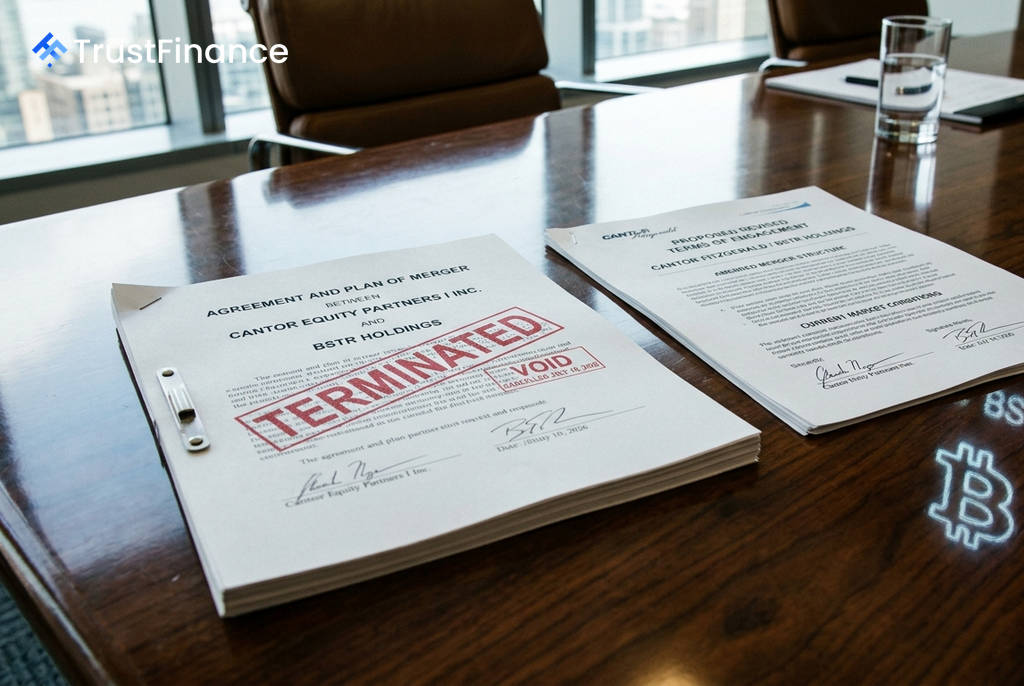
A Cantor Fitzgerald-backed SPAC and Adam Back’s Bitcoin investment firm BSTR Holdings have terminated their initial merger agreement, citing the need for terms that better reflect current market conditions. The companies plan to negotiate a revised transaction.
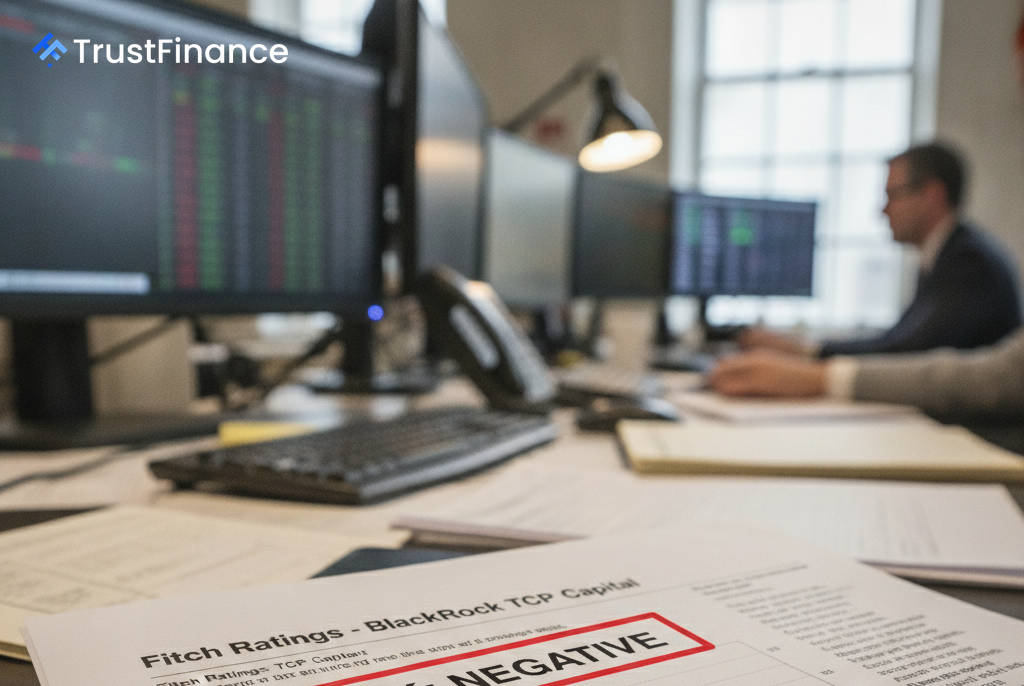
Fitch Ratings affirmed BlackRock TCP Capital's 'BB' rating but revised its outlook to Negative, citing elevated non-performing loans and a weaker asset coverage cushion despite stabilizing leverage.

Bitcoin traded steadily above the $64,000 mark over the weekend, with investors largely downplaying geopolitical risks in the Strait of Hormuz while monitoring key regulatory and protocol debates in the U.S.

A Bank of America report identifies South Korea and the United Arab Emirates as the strongest emerging players in the global AI race, citing their unique strengths in semiconductors, government investment, and energy.